
Photo-reporting 1: An excursion of Polish and Belarusian groups of tourists to Belovezhskaya Pushcha in the framework of the Project "Pushcha for bicycles", April 21-22, 2007
On April 21-22, 2007 a tourist trip of Polish naturalists and activists for nature protection to visit cities of Brest and Kamenetz, as well as the Belarusian part of Belovezhskaya Pushcha was held within the framework of the Project "Pushcha for bicycles". Polish colleagues have come to look at the reserved Belovezhskaya Pushcha and to get acquainted with the experience on protection of wild reserved nature. What have they actually seen? Please, look and read about this in the photo-reporting below.
 |
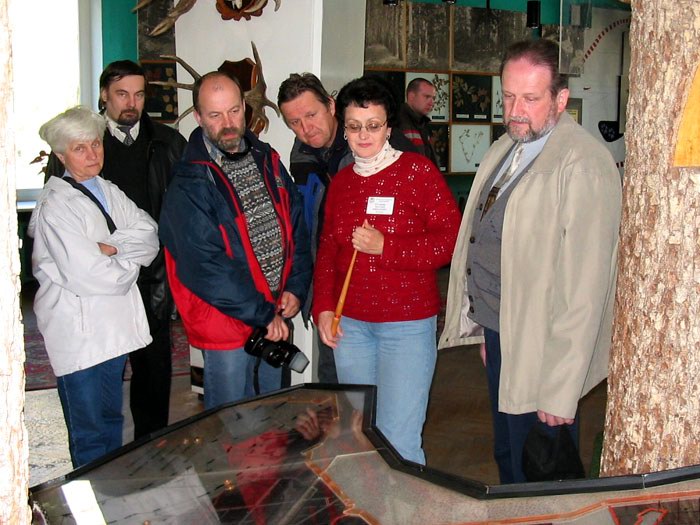 |
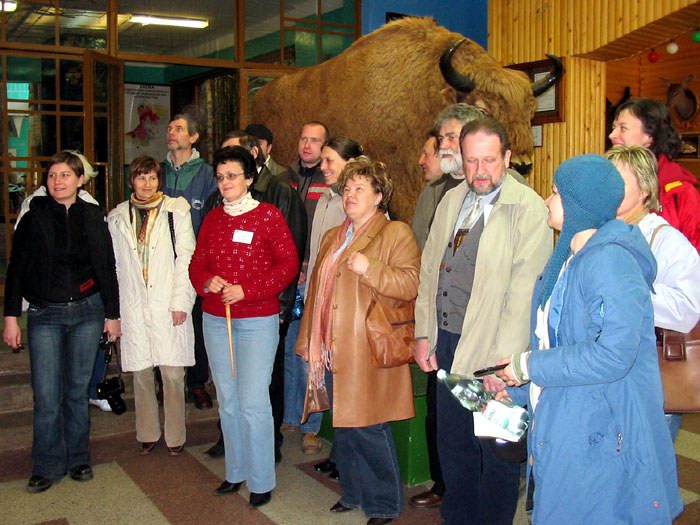
| As a rule, a tourist program to see Belovezhskaya Pushcha begins from visiting the Museum of nature of the National Park. Before starting, a traditional photo is as a keepsake. | An interesting and educational excursion about nature, flora and fauna of Belovezhskaya Pushcha is given by Natalia Rusakova, a guide of the Museum of Nature, not on permanent staff. |
 |
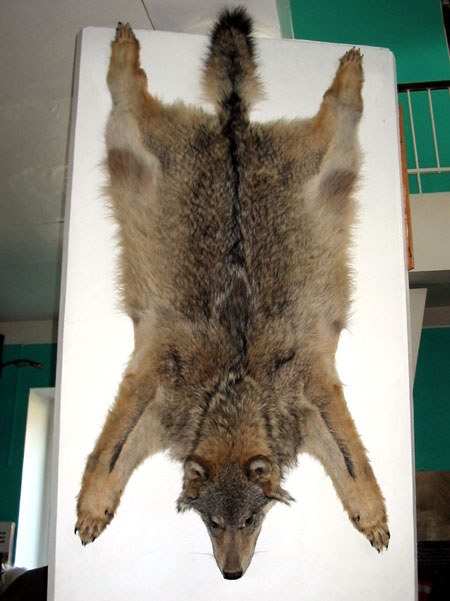 |
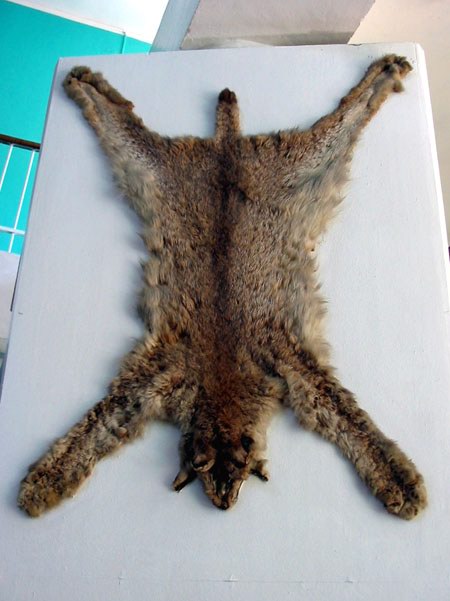
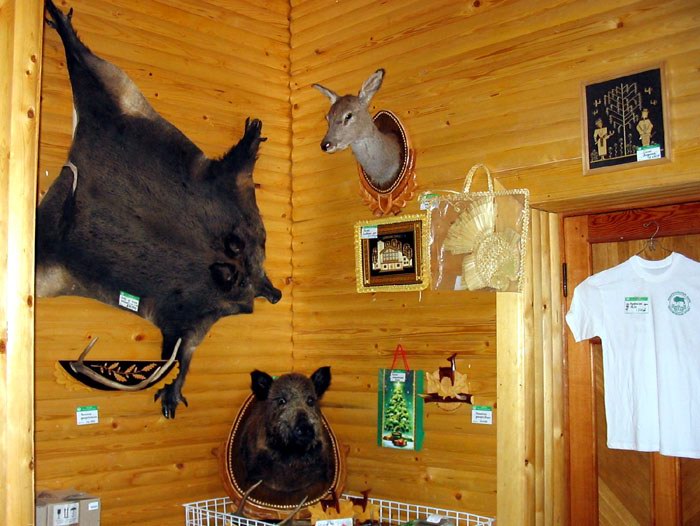
| Polish experts know about a nature of Belovezhskaya Pushcha much. It is difficult to make them astonished by something. However, the partially hunting orientation of the Museum of Nature in the National Park which is a nature protection institution has surprised them. This is because a murder of animals and their protection are diametrically opposite. This picture shows a skin of a killed lynx listed in a Red Data Book and exposed for general viewing of coming tourists. | This picture shows a skin of a killed wolf. This species of animal is under protection in Poland and is listed in a European Red Data Book. In Belarus hunting is permitted for this animal. |
 |
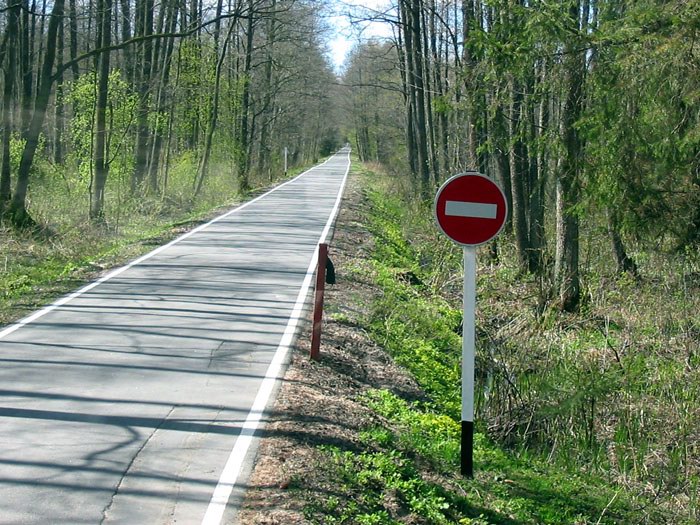 |
| The following fact got most shocked for Polish tourists. This is the first, so-called entrance hall in the Museum of Nature where educational excursions about Belovezhskaya Pushcha are to begin. This hall is not designed for nature protection but for … hunting subjects. Souvenirs for tourists are sold there. Among them there are skins and stuffed animals killed for their preparation. A "nature protection" orientation of the "nature protection" institution is felt right away. | The Belarusian part of Belovezhskaya Pushcha is rich of the net of roads, many of which are of good asphalt surfacing. Tourist routes follow them. Polish naturalists were taken to visit one of these routes. There are road signs "No entry" here, there and somewhere. For whom? |
 |
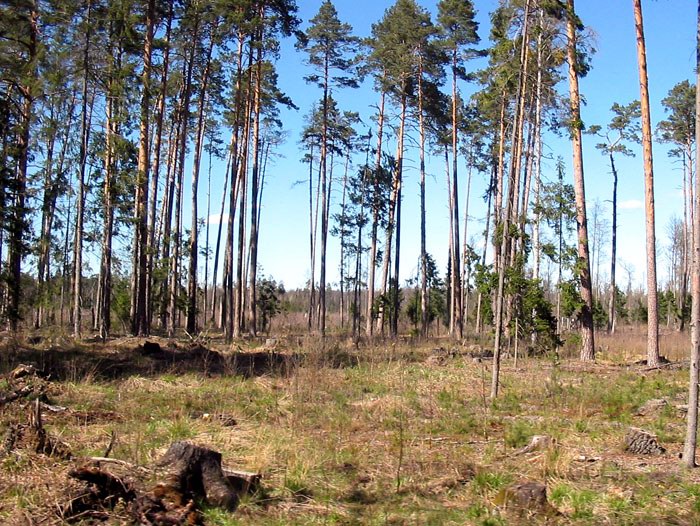 |
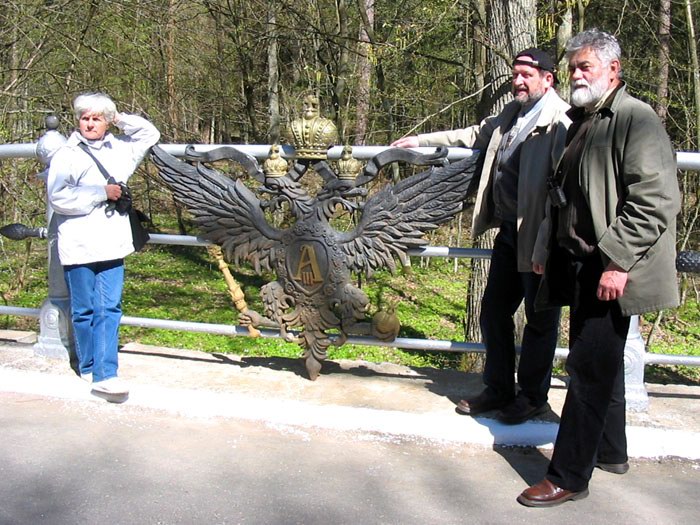
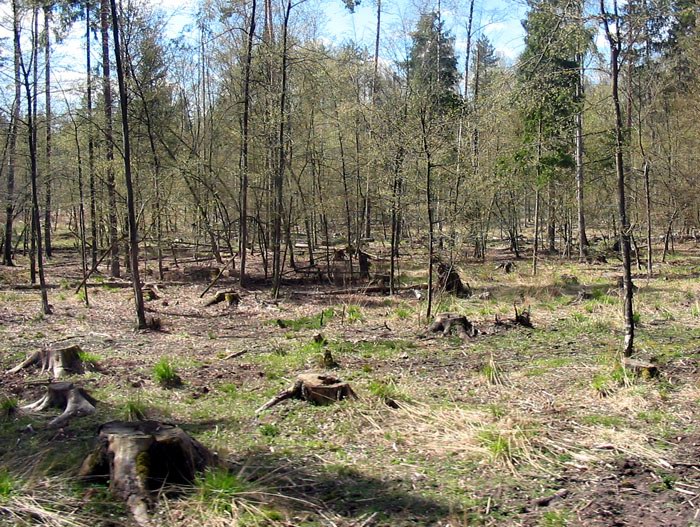
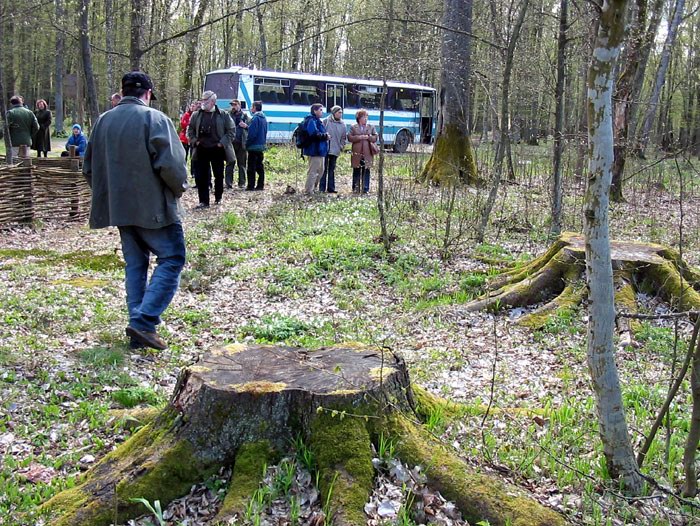
| Double-headed eagles - arms of the Russian Empire - were recently placed along the road called a former Imperial High Path. They already were here hundred years back during the governing the Tsar Nikolai Second. | Polish naturalists when coming had the purpose to look at a reserved nature and protected Belovezhskaya Pushcha. However, tourist routes are proposed in the way, if to go by bus, actually being impossible to see this kind of nature. Cuttings down, cuttings down, stumps, stumps, stumps are all around… In Europe it refers to a so-called "paper" parks (i.e. a national park on the paper, not in the nature). |
 |
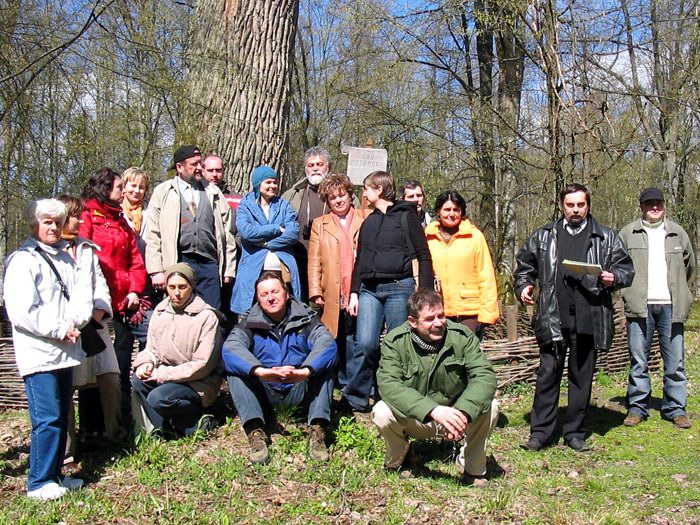 |
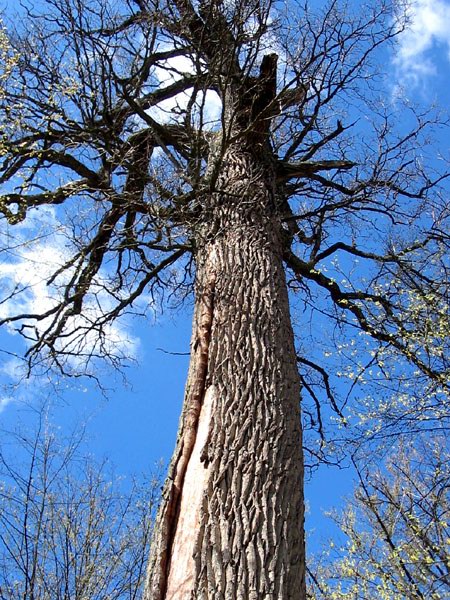
| Cuttings down, cuttings down, stumps, stumps, stumps are all around. Everywhere … | A photo alongside a huge oak of the age of about 600 years is to give as a keepsake. |
 |
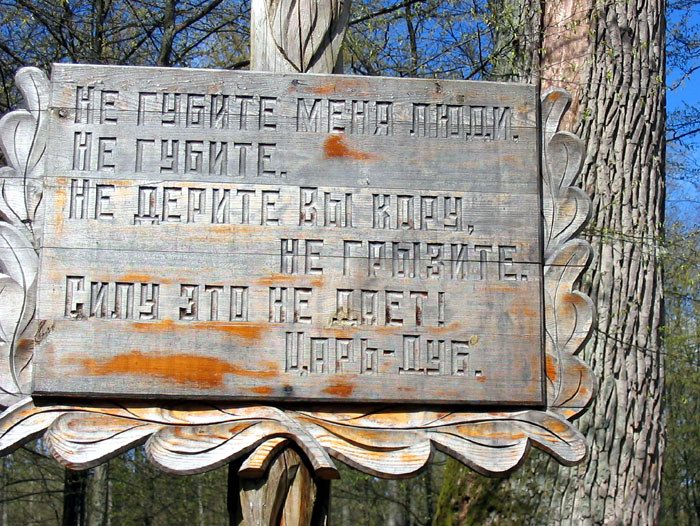 |
| An oak tree-patriarch. | A record-plate set near the oak tree says "People, don't ruin me, don't ruin, don't debark, don't gnaw, it doesn't give force! A king-oak." |
 |
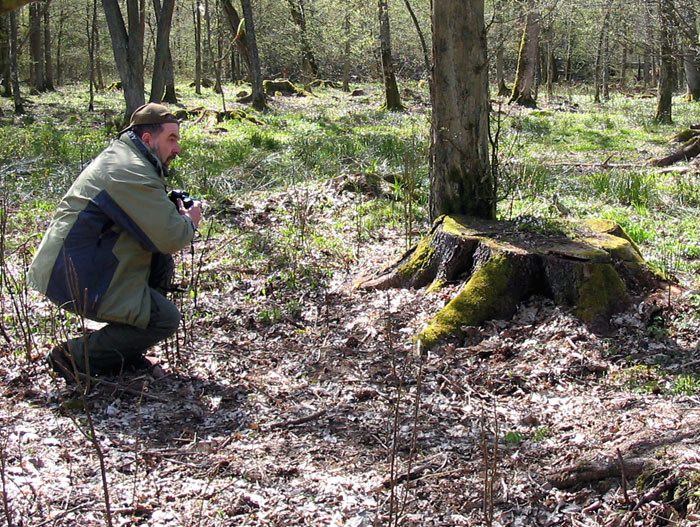 |
| And even near the giant oak tree, one of the main sights of Belovezhskaya Pushcha, stumps are present all around… | A Polish photographer is shooting "nature protection"… |
 |
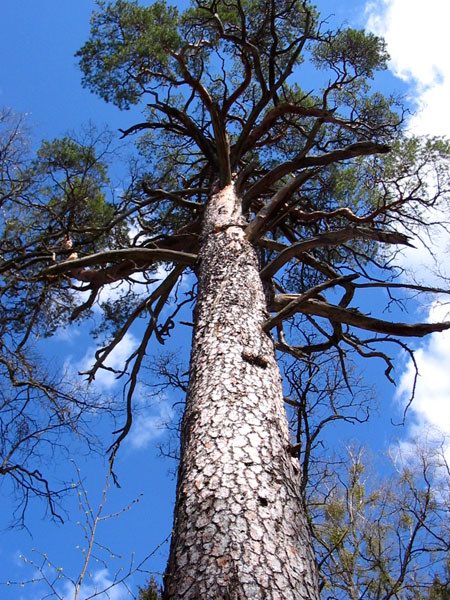 |
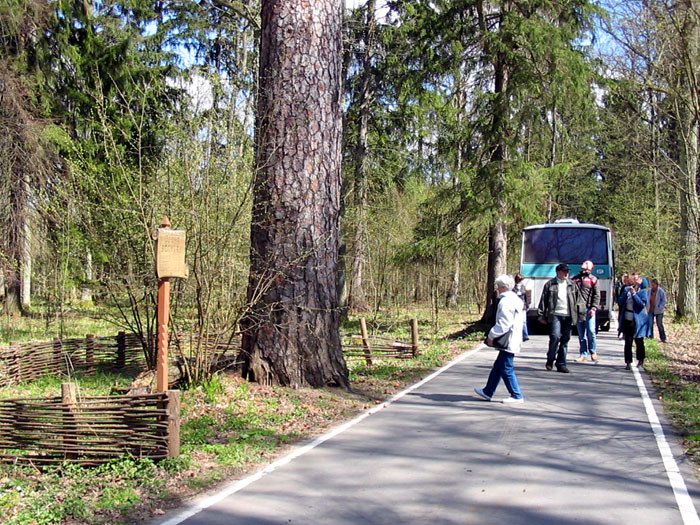
| A huge pine tree which age is over 350 years is one more celebrity of Belovezhskaya Pushcha. | The huge pine tree. |
 |
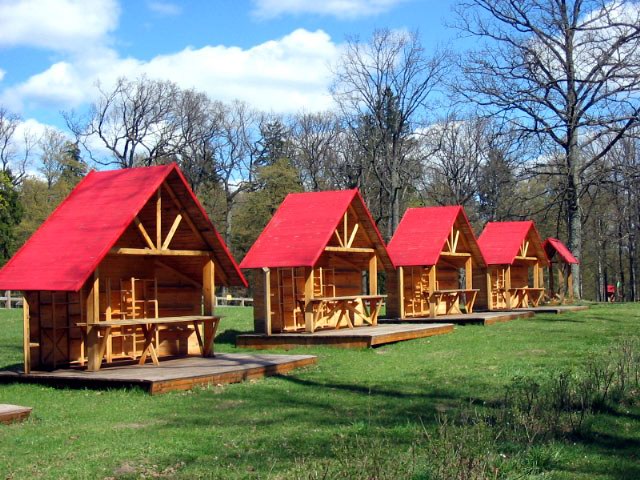 |
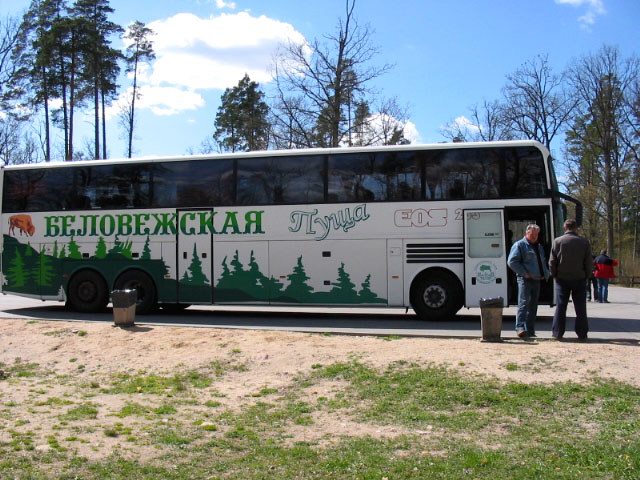
| An excursion service bus of the National Park has brought the Poles in a new "heart" of Belovezhskaya Pushcha. That's a residence of Grandfather Frost. | Shops in the line which are empty this time at once meet tourists… |
 |
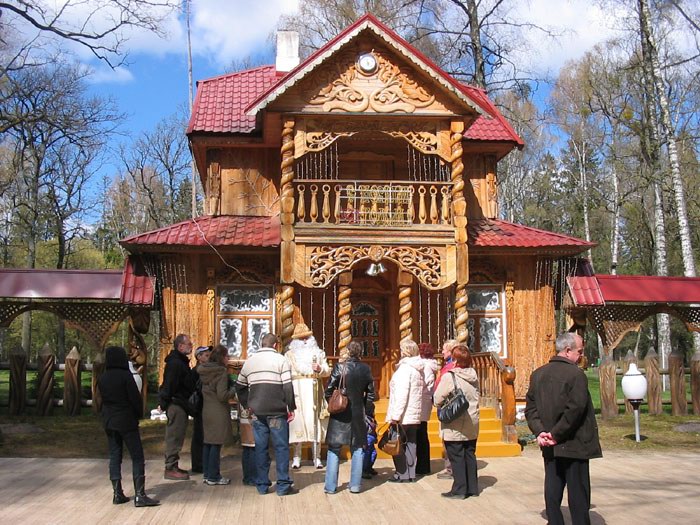 |
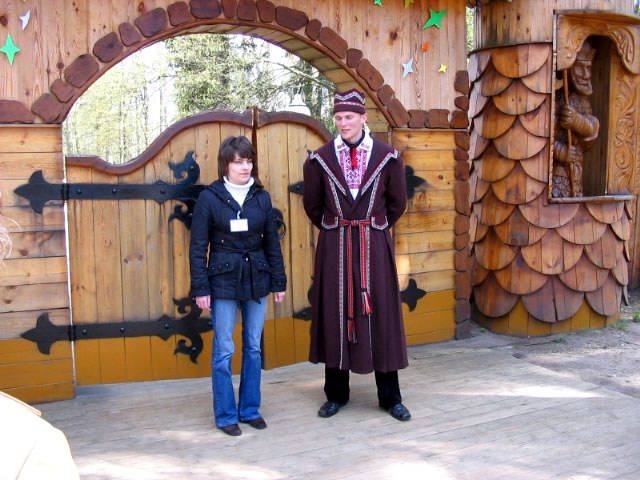
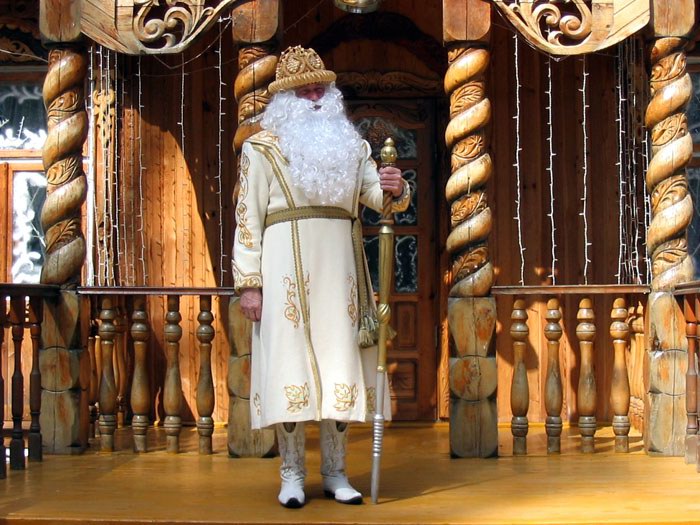
| Before to enter the Grandfather Frost's estate, tourists are instructed concerning rules for visitors. | A Grandfather Frost's house. |
 |
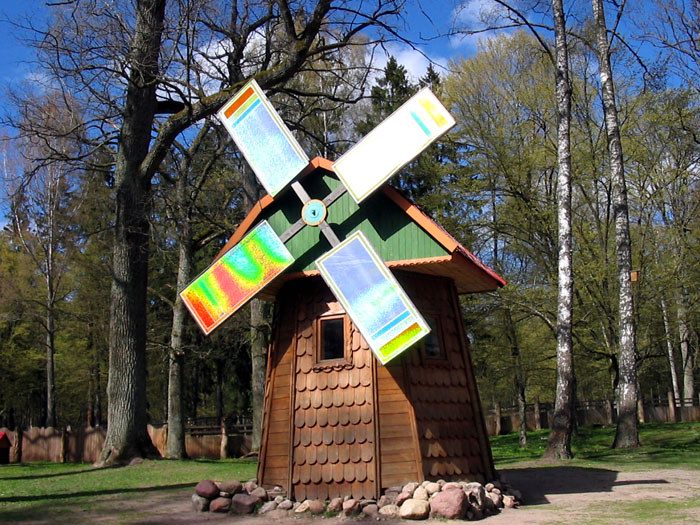 |
| Grandfather Frost is today a main showman of Belovezhskaya Pushcha. | This is a fantastic mill which "grinds" sins. |
 |
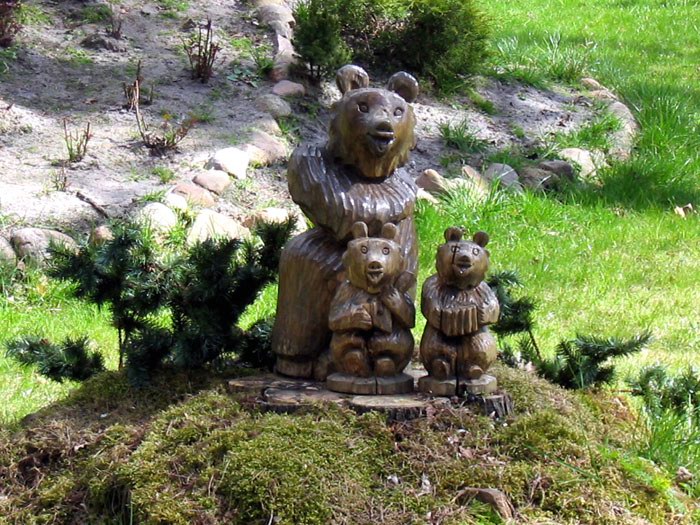 |
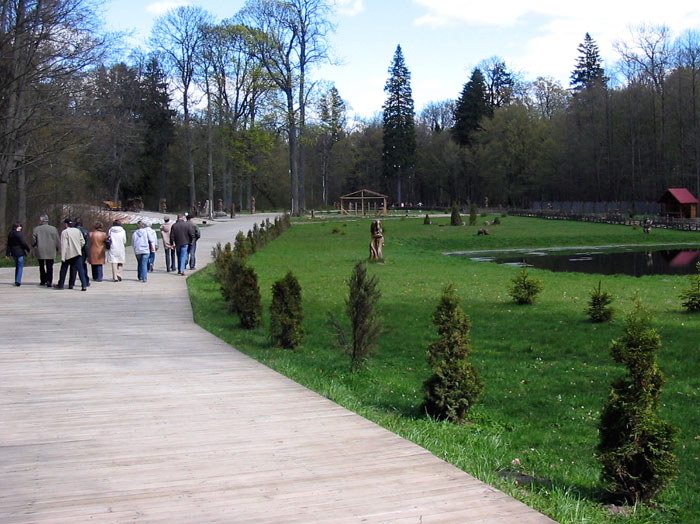
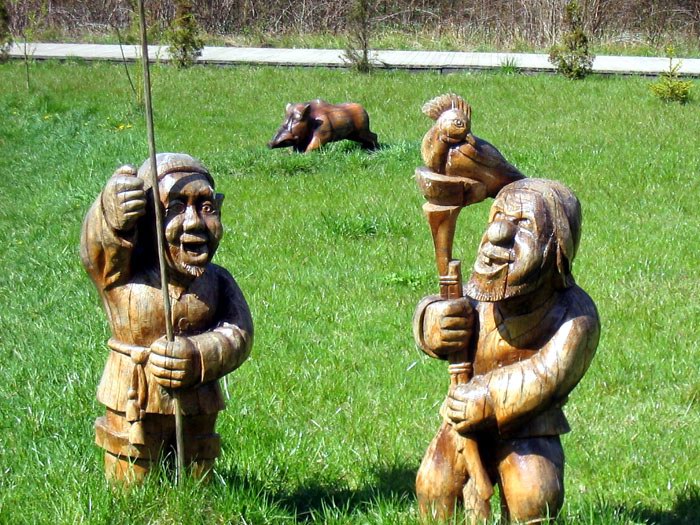
| The area of the residence of Grandfather Frost. | Sculptures of fantastic heroes. |
 |
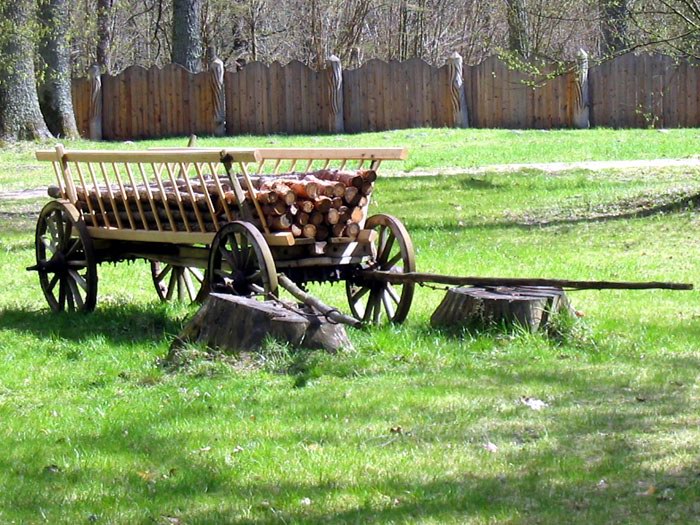 |
| Sculptures of fantastic heroes. | Huge stumps of huge local oak trees of the past are also a sight of the residence of Grandfather Frost. |
 |
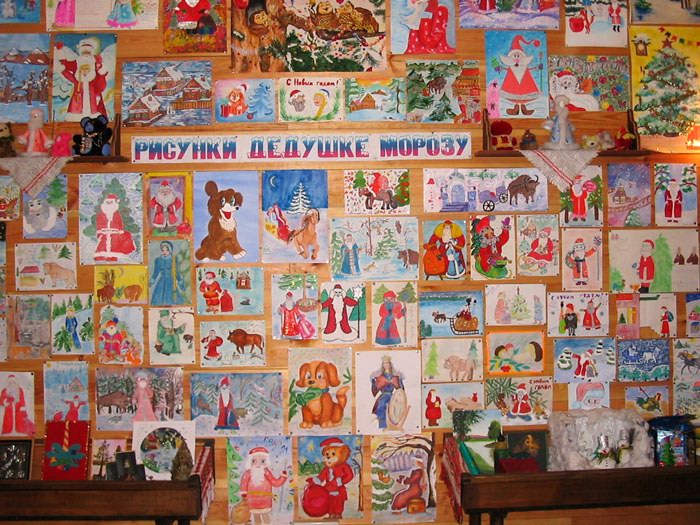 |
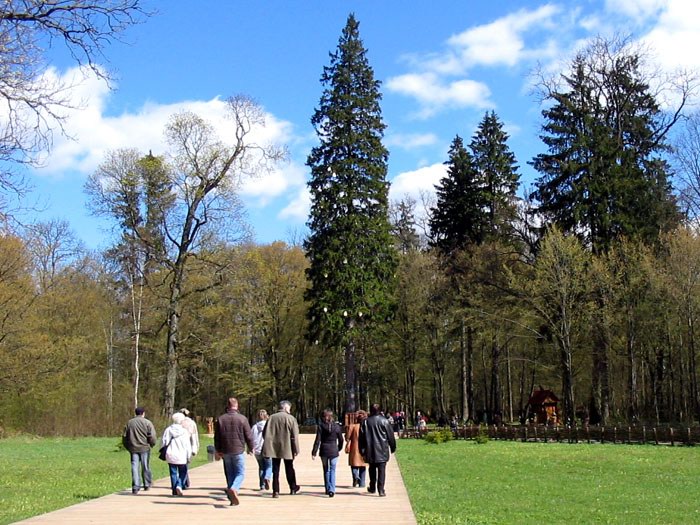
| The "highest" spruce tree of Europe (42 meters high) is growing within the residence of Grandfather Frost. At least, employees of the National Park always say and write so. However, Polish naturalists assert that in the Polish part of Belovezhskaya Pushcha there are spruce trees which are more than 50 meters high. And higher spruces are also available in Europe… Nevertheless, a fairy tale is a fairy tale, for the sake of which much can be thought up that to surprise tourists… | The estate of Grandfather Frost is very popular among the children. An exhibition of their pictures is placed there as well. |
On April 23-24, 2007 an answer-back tourist trip of Belarusian naturalists and activists for nature protection to visit cities of Brest and Kamenetz, as well as the Belarusian part of Belovezhskaya Pushcha was held to visit the Polish part of Belovezhskaya Pushcha within the framework of the Project "Pushcha for bicycles". Belarusian colleagues have also come to look at the reserved Belovezhskaya Pushcha and to get acquainted with the experience on protection of wild reserved nature in Poland. What have they seen there? Please, look and read about this in the photo-reporting below.
 |
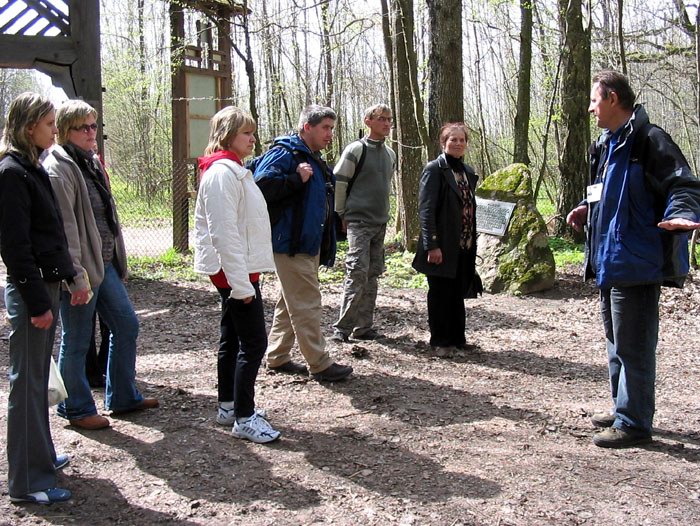 |
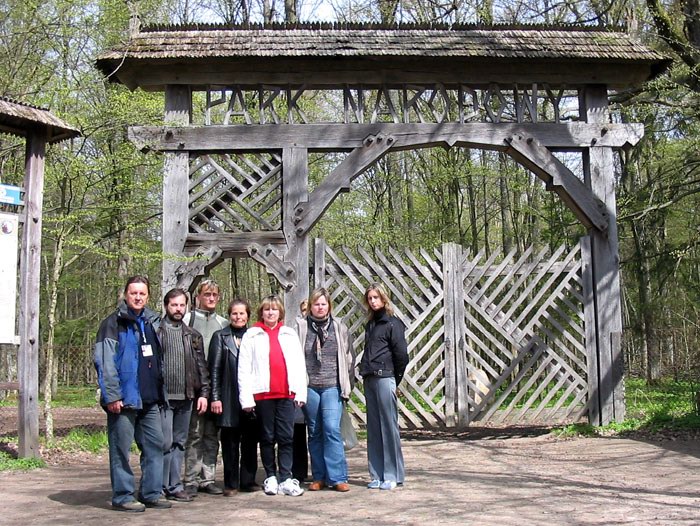
| This is a front entrance in the "heart" of the Polish Belovezhskaya Pushcha (Bialowieza Forest), of the Bialowieza National Park, the oldest in Europe. Its forest is under strict protection. An old gate is also kept as a tradition and cultural heritage from last generations. | Miroslaw Solsciuk, an individually working professional guide, services an excursion in Russian. |
 |
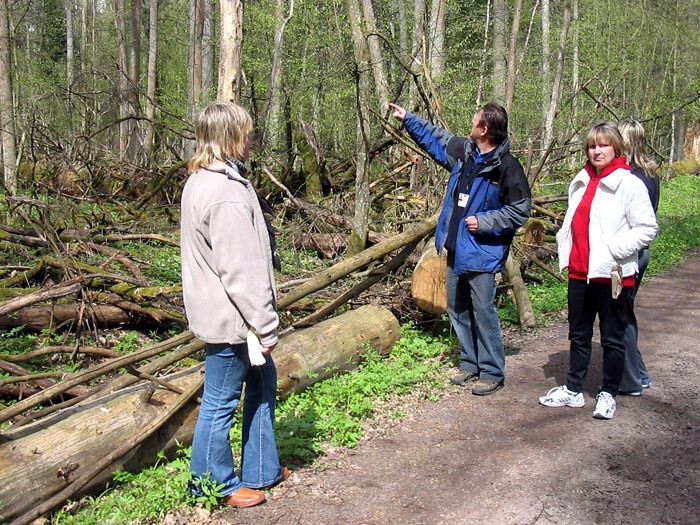 |
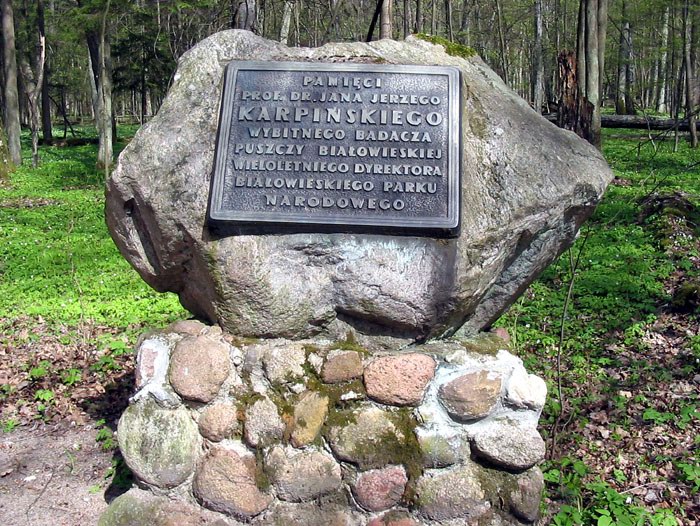
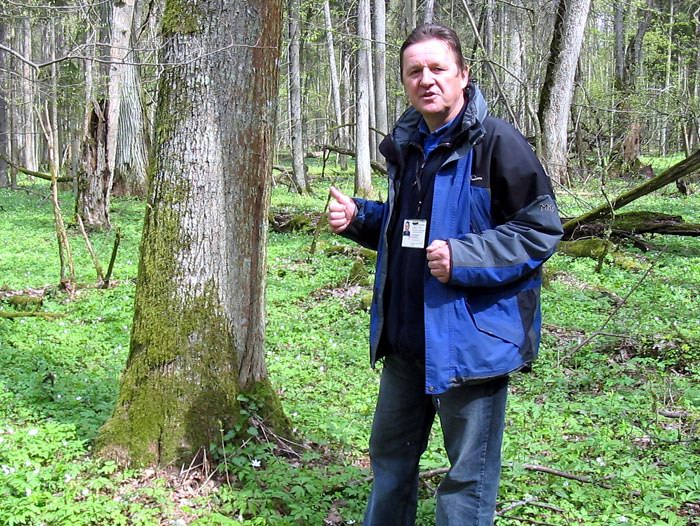
| Memorable stones to outstanding people who greatly contributed to preservation of Belovezhskaya Pushcha are placed at the entrance to the National Park. One of them is for Jan Jerzy Karpinsky, a former director of the Park. | Wood even if dry is not cut in the Park. If a tree falls on an ecological path, it should be sawn in parts and should be moved aside to make a way free. The picture shows that the guide explains ecological importance of keeping dead wood in the forest. |
 |
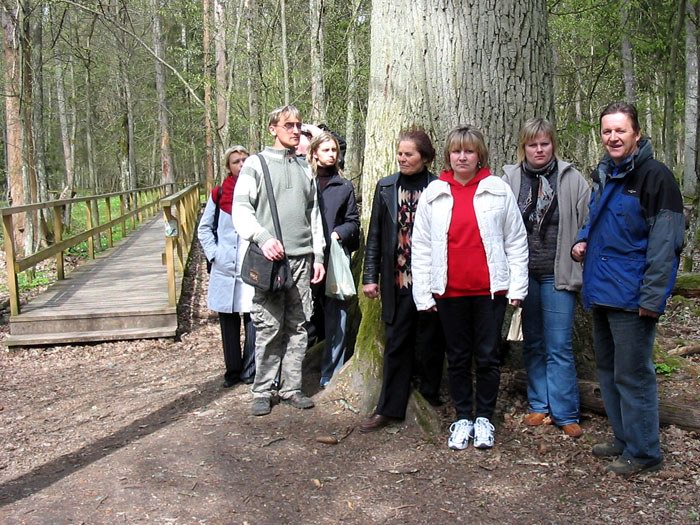 |
| A fascinating story is telling by the guide about the life of the primeval forest. | The picture shot at a huge old oak tree. |
 |
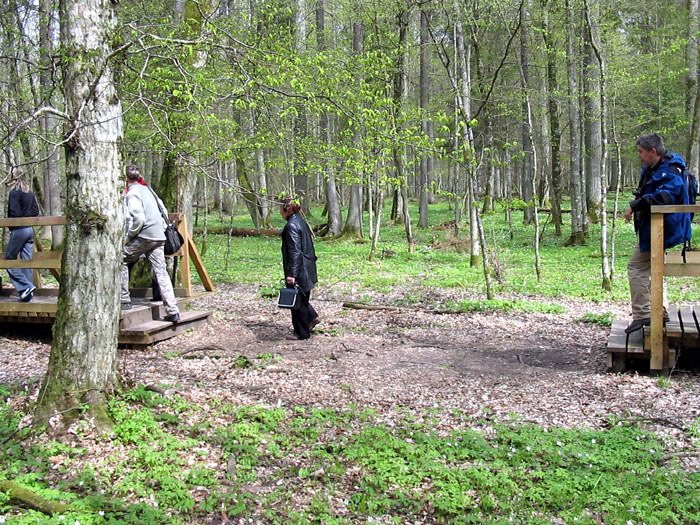 |
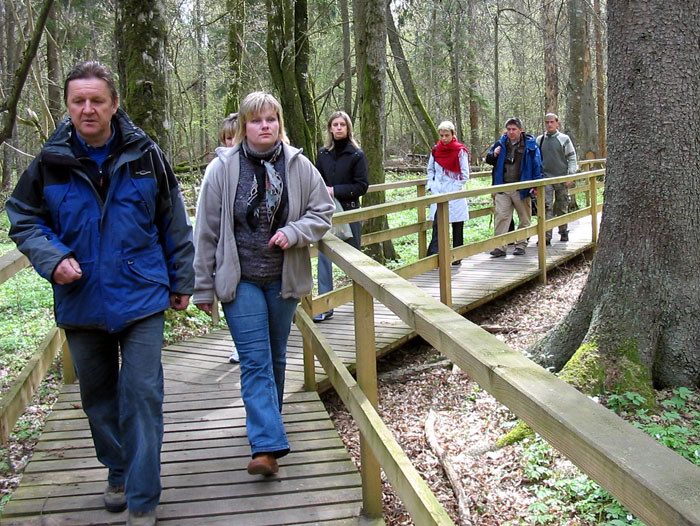
| To prevent soil trampling down, a wooden planking construction is specially made to cover a certain distance of the tourist path. | That to make the wooden planking construction impossible for breaking migration of large wild animals, special gaps, so-called migration corridors are created. |
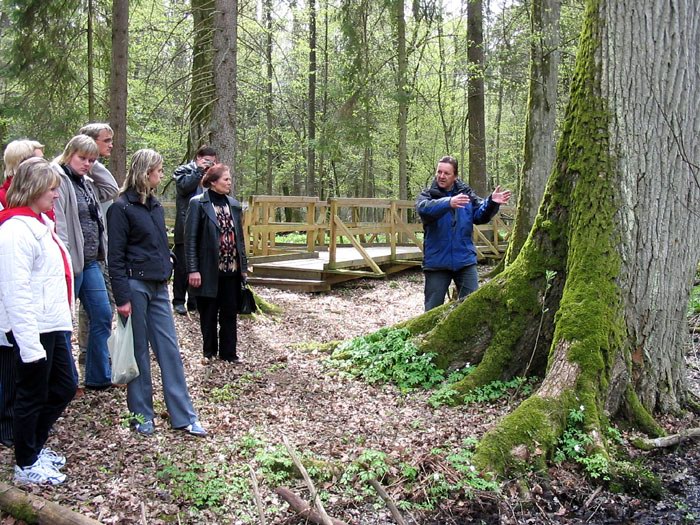 |
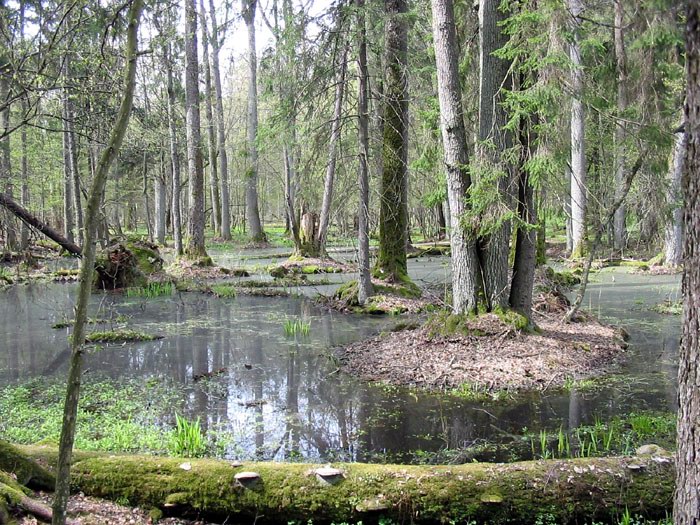 |
| During the excursion. | A swamped site of the wild primeval forest of Belovezhskaya Pushcha. That is the nature, not stumps and cutting down areas are shown by Poles for coming tourists. |
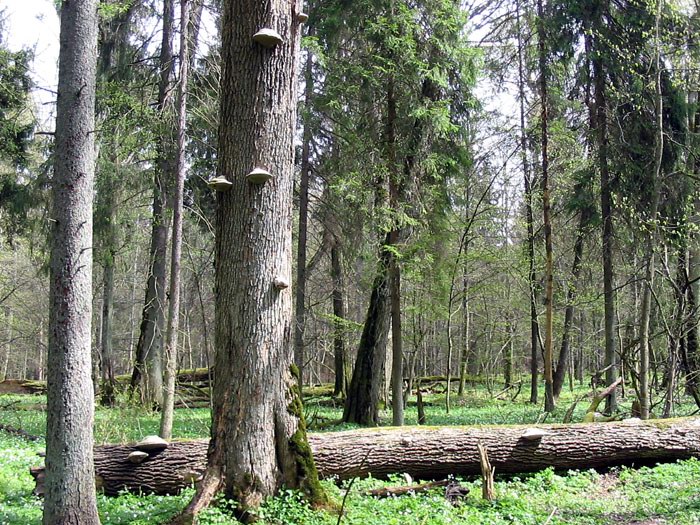 |
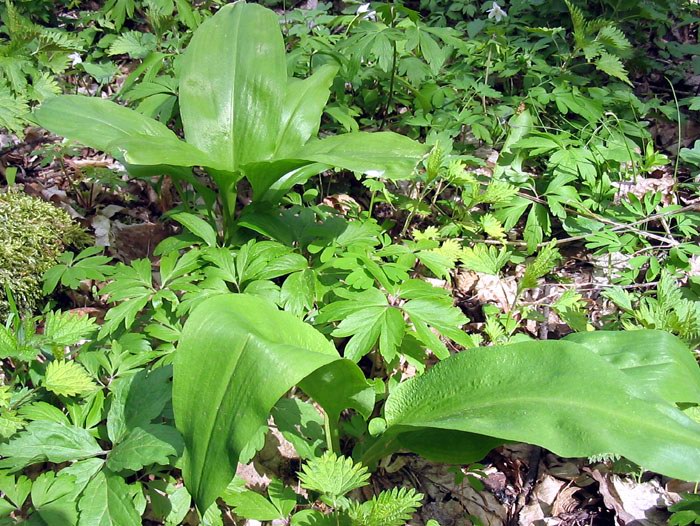 |
| A mixed wild forest of the old age. | A rare plant listed in the Red Data Book. |
 |
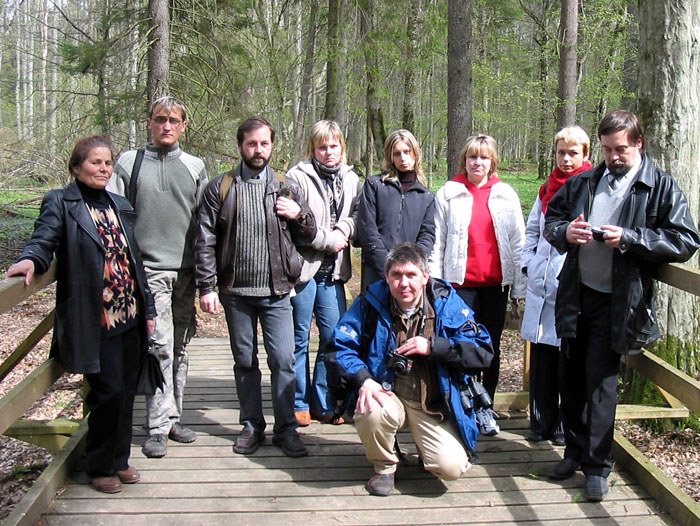 |
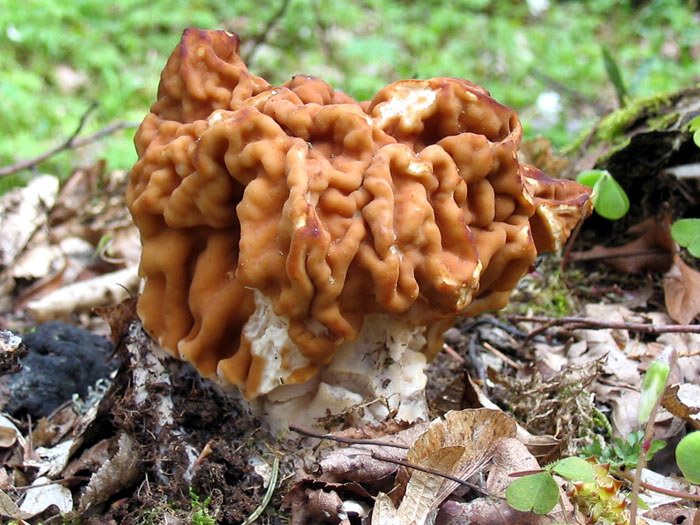
| This mushroom is a beauty of the primeval wild forest. | The Belarusian group of tourists is during the next stopping. |
 |
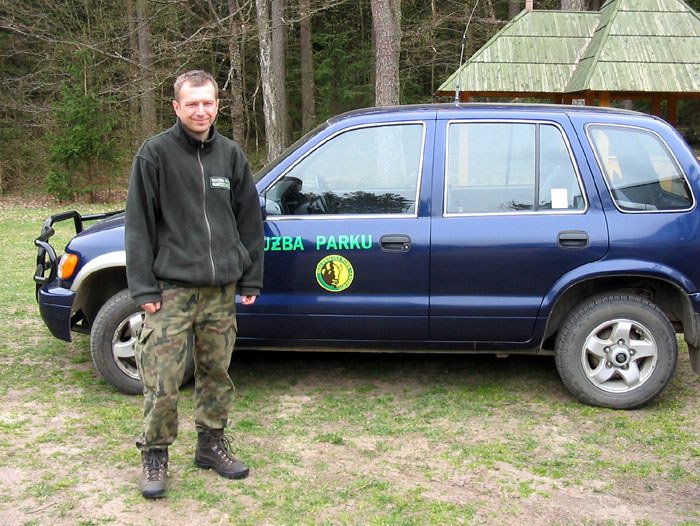 |
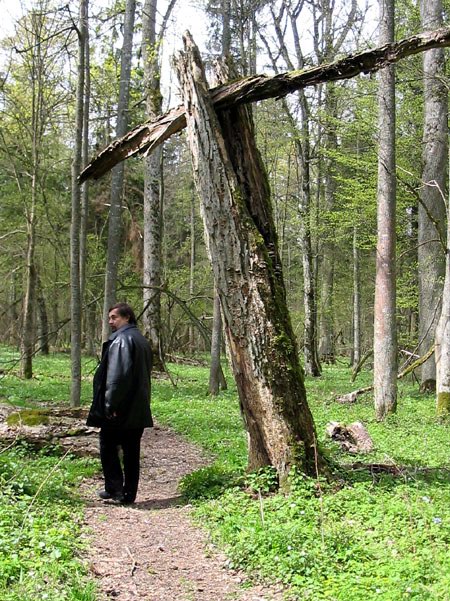
| A wood-balance tree is a unique natural phenomenon of the Pushcha. | Mr. Andrzej. Is a forest officer of the Bialowieza Forest. |
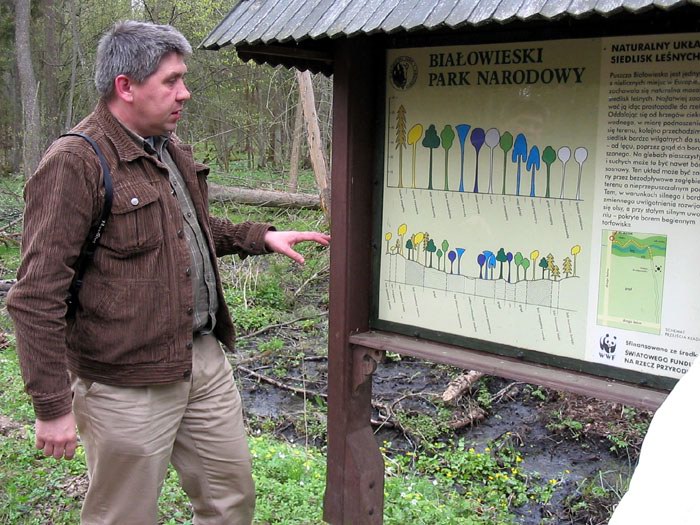 |
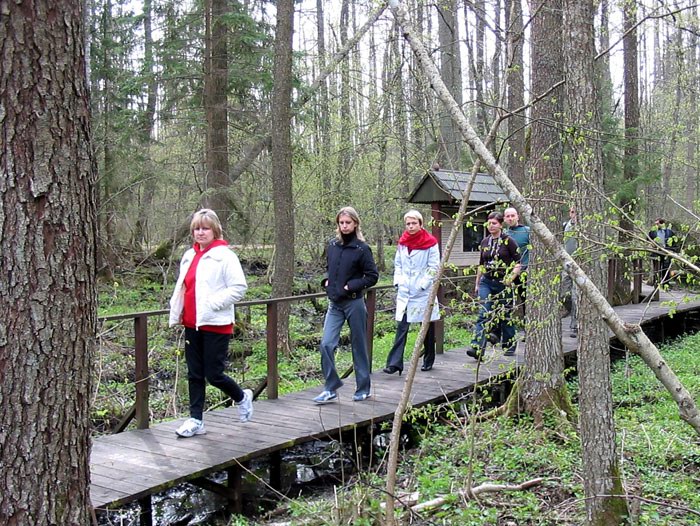 |
| Stefan Jakimiuk, a head of the project from the Polish party is in front of the stand which places information about one more ecological walk-path. | This is a view of the second ecological walk-path. This time the way runs through a swamped site of the reserved forest. |
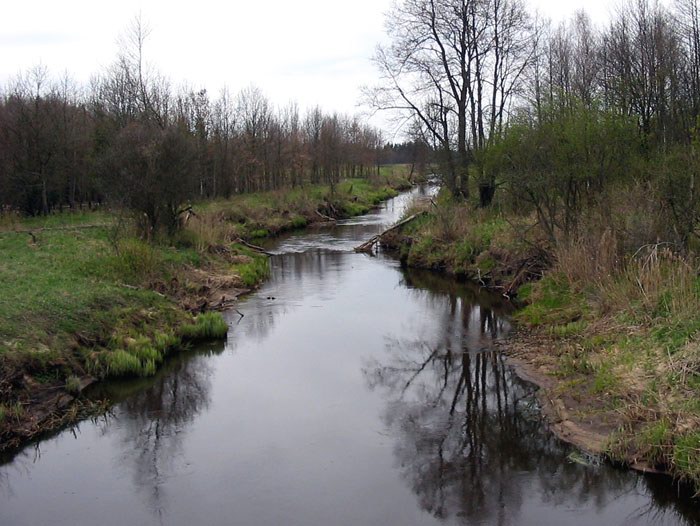 |
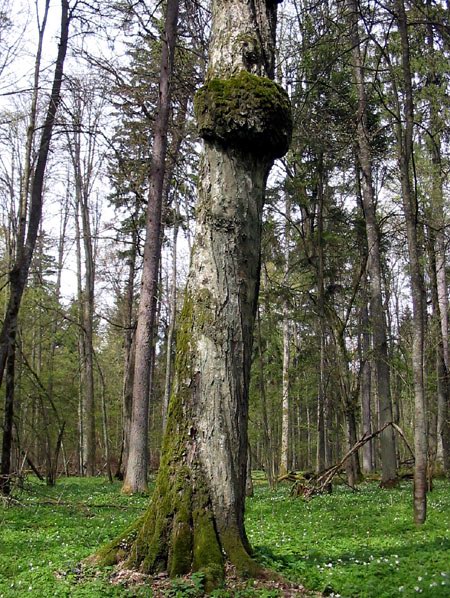 |
| This is a view of Braszcza, one of the local small rivers. | A cancerous tumour at an old hornbeam. |
 |
 |
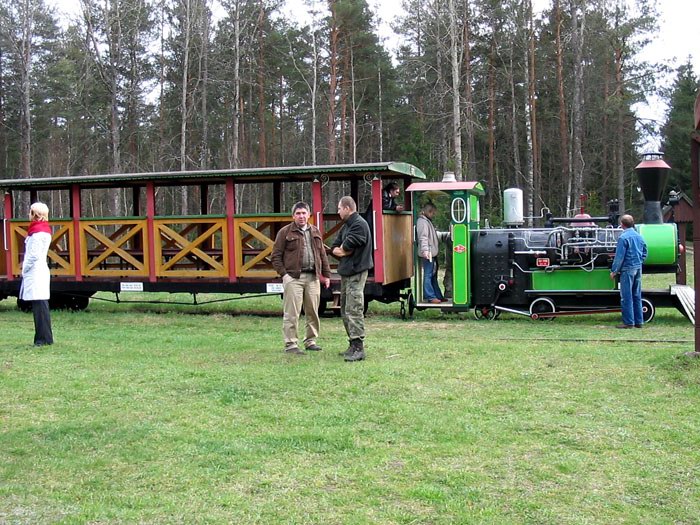
| One of the forest glades outside the strictly reserved area places a mini-locomotive with cars, a small tourist attraction. Such type of locomotives took out wood from Belovezhskaya Pushcha 100 years ago. They are now used for driving tourists in some areas. | A modern ecological and educational centre in the village of Siemianowka located in the north part of Belovezhskaya Pushcha was recently built. |
 |
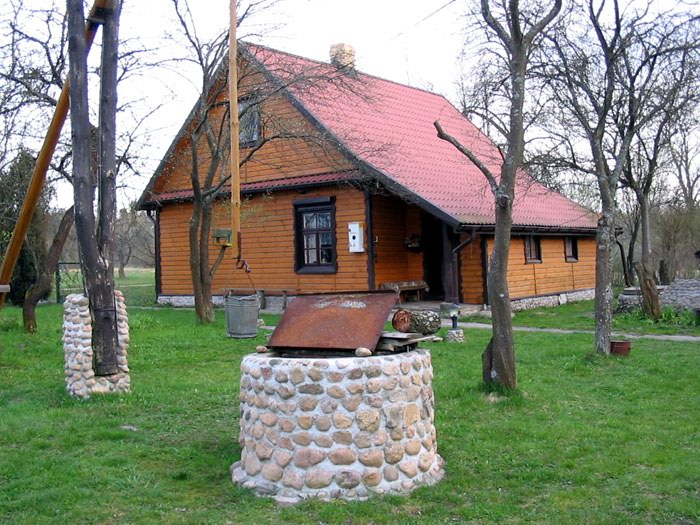 |
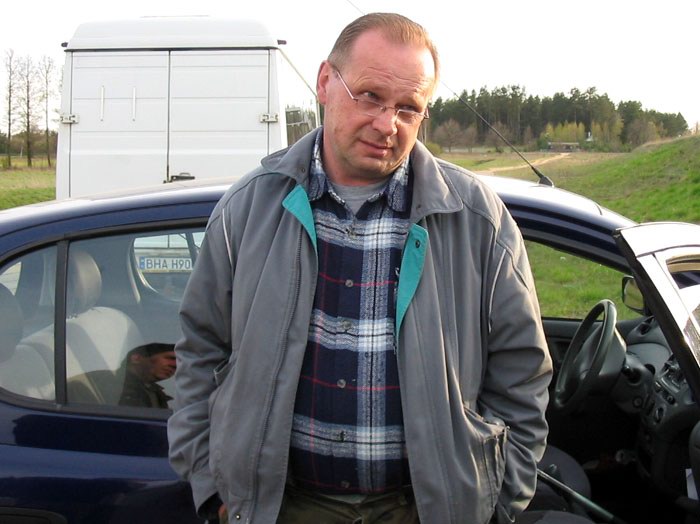
| Leon Hljabicz, a director of the Siemianowka water reservoir takes a great interest not only in ecology. He is also interested in the nature of human spirit and the universe. | This is one of the numerous agro-houses for tourists typical for the Polish territory of Belovezhskaya Pushcha. |
 |
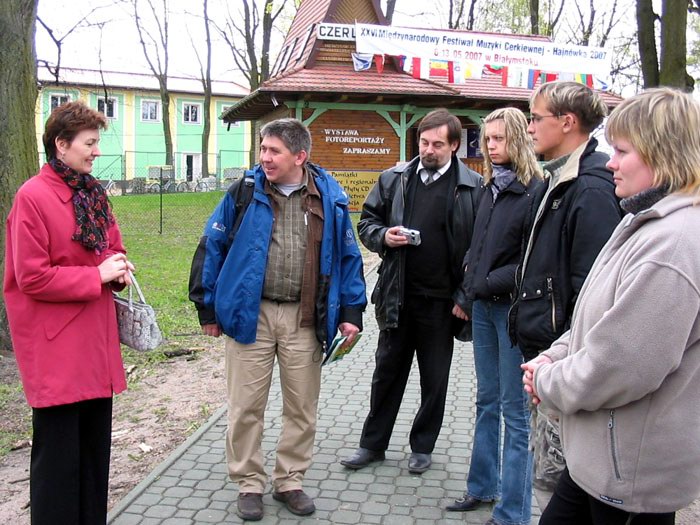 |
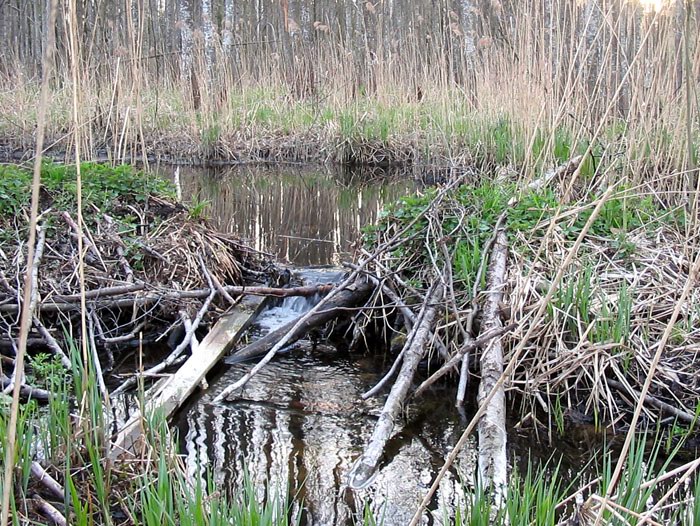
| Directly behind this agro-house a forest brook is running on which beavers have constructed a dam. | During the meeting with a representative of a House of culture in the district town of Hajnowka. |
 |
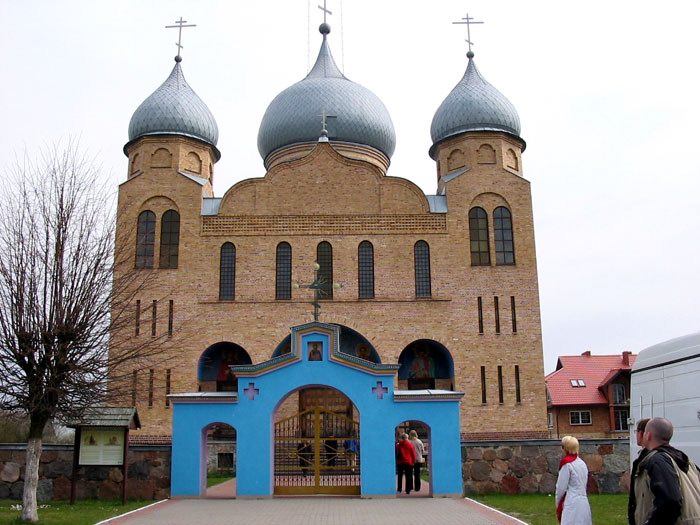 |
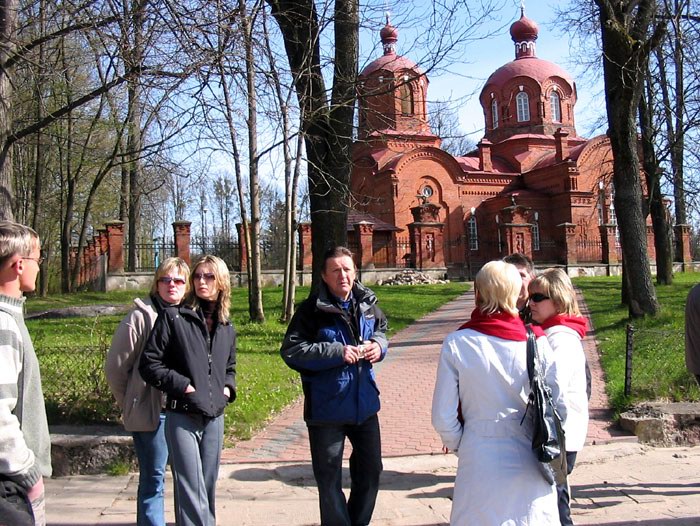
| The Saint Nickolai's Orthodox Church in the village of Bialowieza. | The Polish territory of Belovezhskaya Pushcha has well kept culture, traditions and churches. |
 |
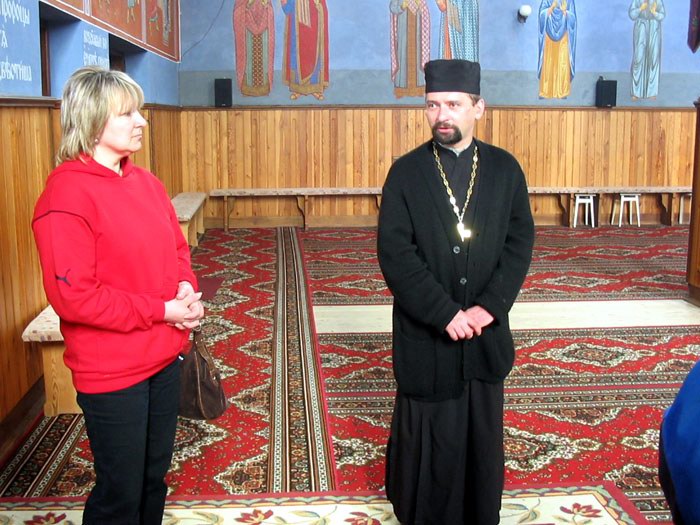 |
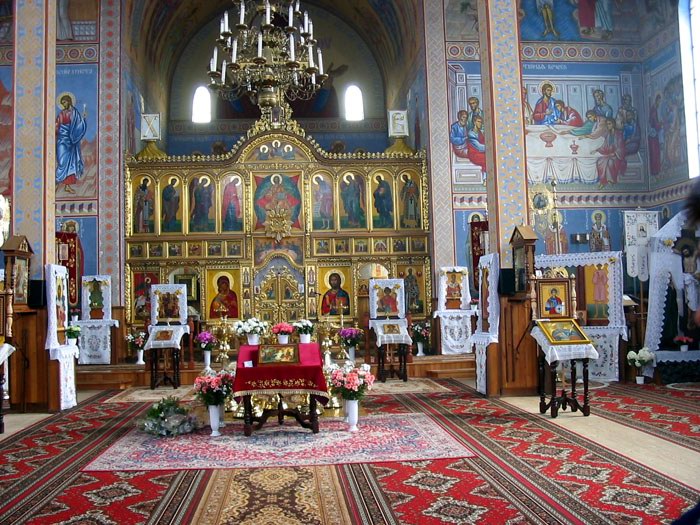
| Inside one of the churches. | The meeting with the senior priest of the church. |
 |
 |
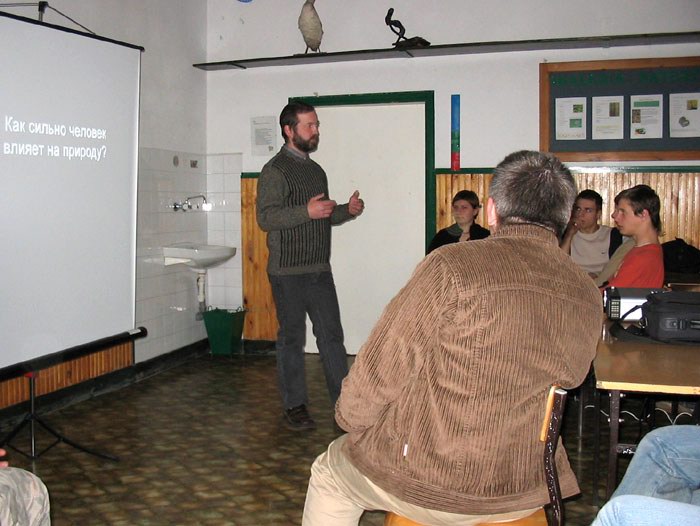
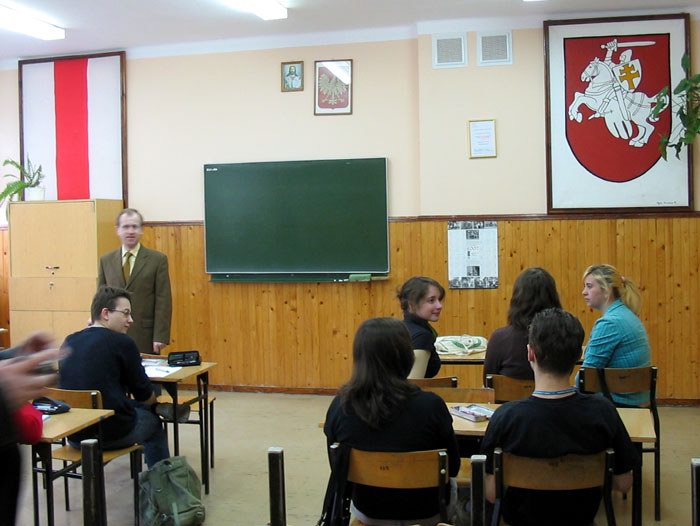
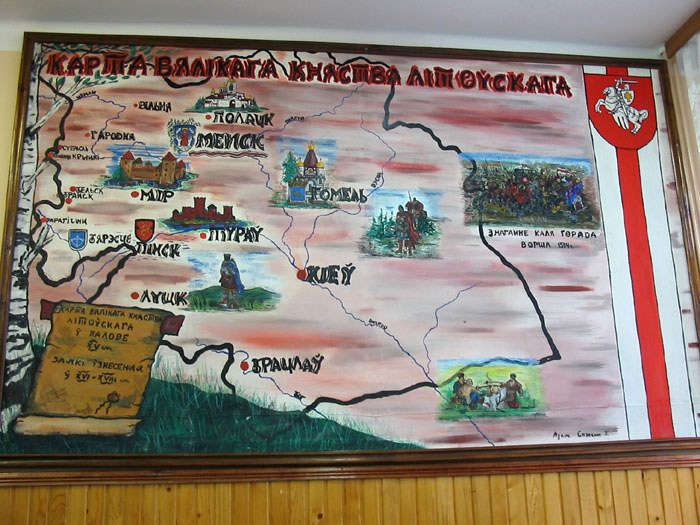
| Upon termination of the excursion tour the Belarusian group of tourists has visited the Belarusian Lyceum in the town of Hajnowka. Heorhi Kazulka gives a lecture to the pupils of the Lyceum about wilderness protection, about preservation of Belovezhskaya Pushcha and about why efforts of ecologists do not give successful results till now. | Alica Pliz, a teacher of the Belarusian Lyceum, is in a class room specializing in the Belarusian history. |
 |
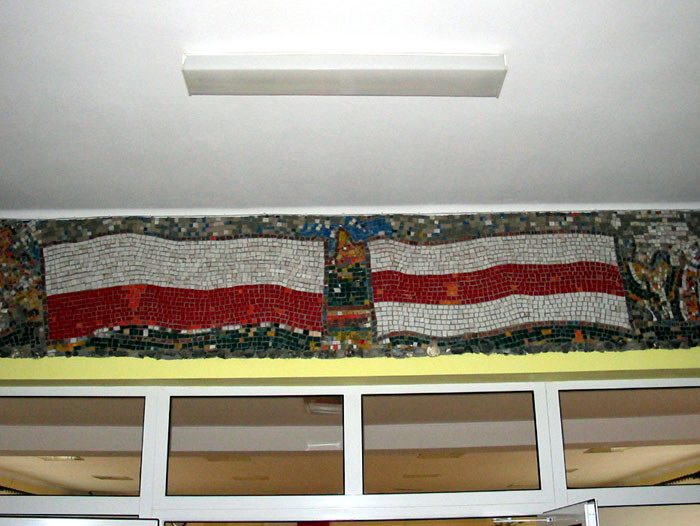 |
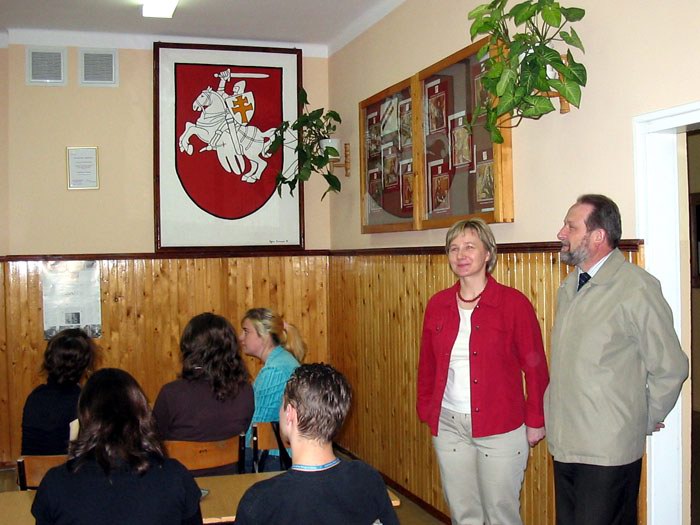
| The Belarusian Lyceum still keeps a historically old Belarusian symbolic. | The Belarusian Lyceum still keeps a historically old Belarusian symbolic. |
 |
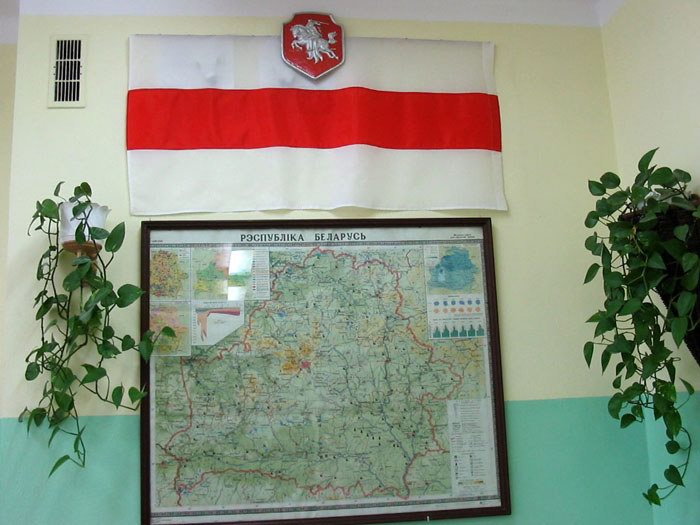 |
| A map of Great Lithuanian Principality. | The Belarusian Lyceum still keeps a historically old Belarusian symbolic. |
Photos made by Heorhi Kazulka (April 21-22, 2007)
To see more about this trip in the photo-reporting by the Polish photo-amateur Janusz Antinow