
The cleaning up and landscaping of the Kamenyuki territory, 2009
Events, facts, documents and evidence: After all major road, residential, backyard and infrastructural repair was complete, and the greenery was refreshed, builders cleaned up and landscaped the area around the main street, and residential and other buildings.
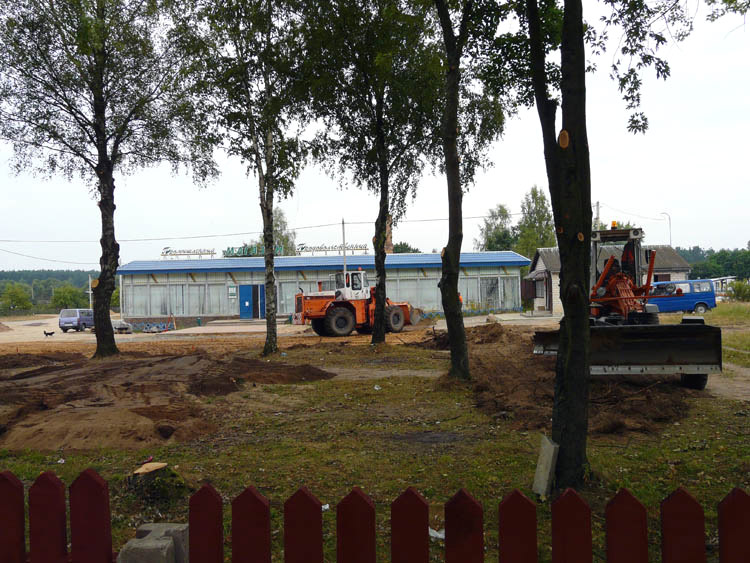
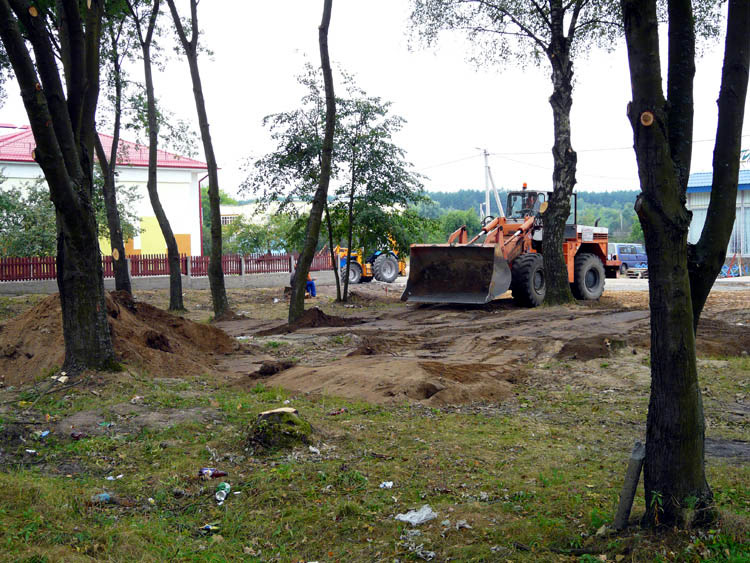
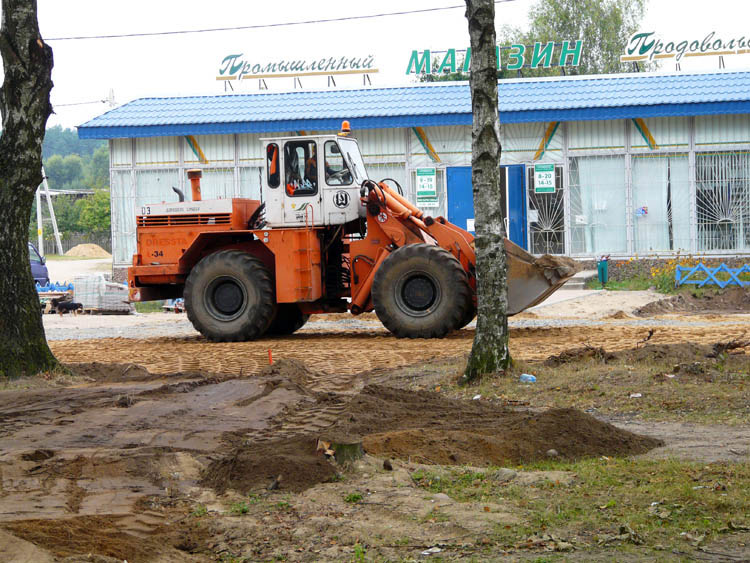
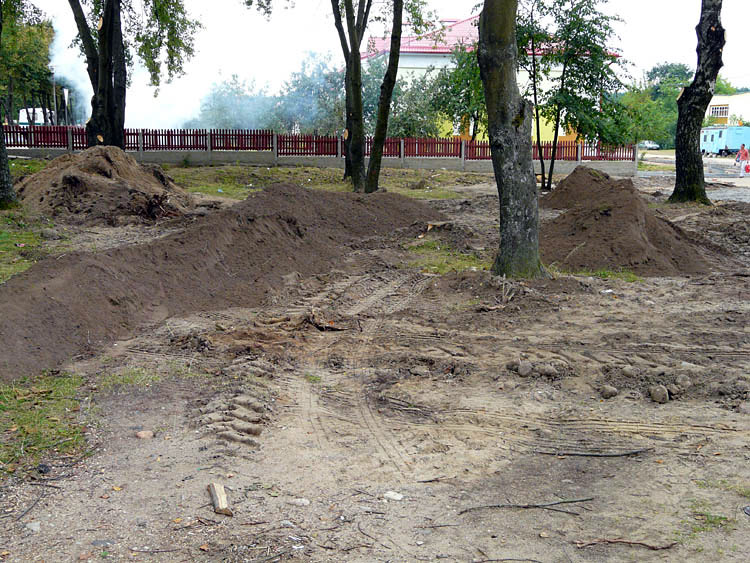
The shots below show the adding of fertile soil to the ground in the small park near the stores.
 |
 |
 |
 |
| (Adding of fertile soil in the park, August 27, 2009) | |||
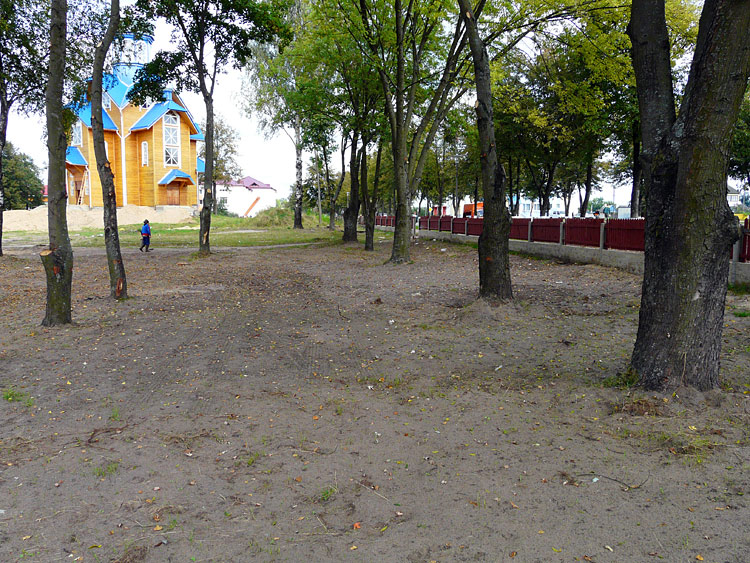 |
| (The graded ground in the park, September 14, 2009) |
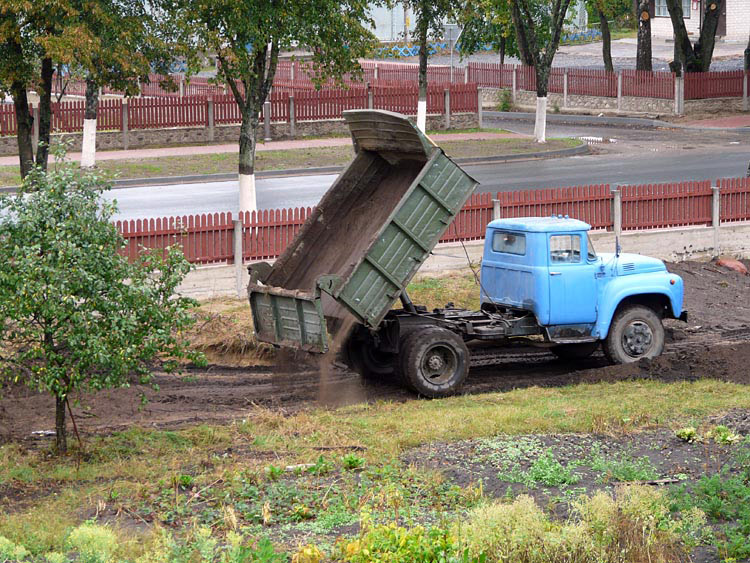
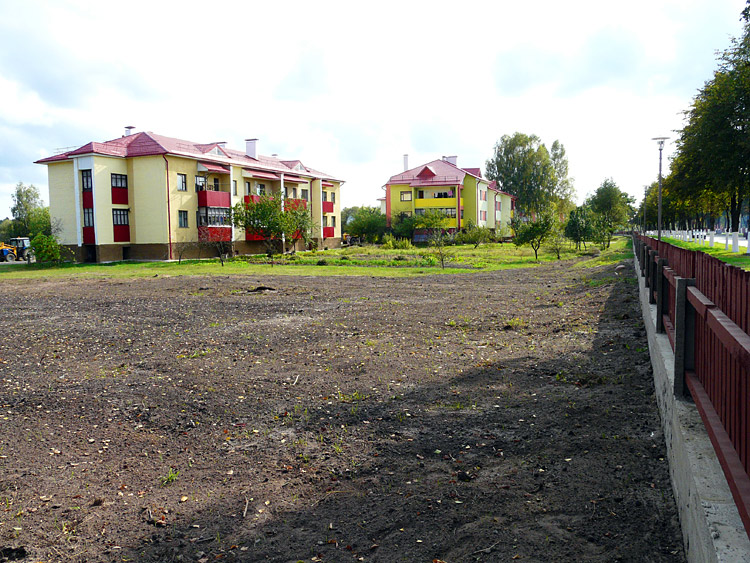
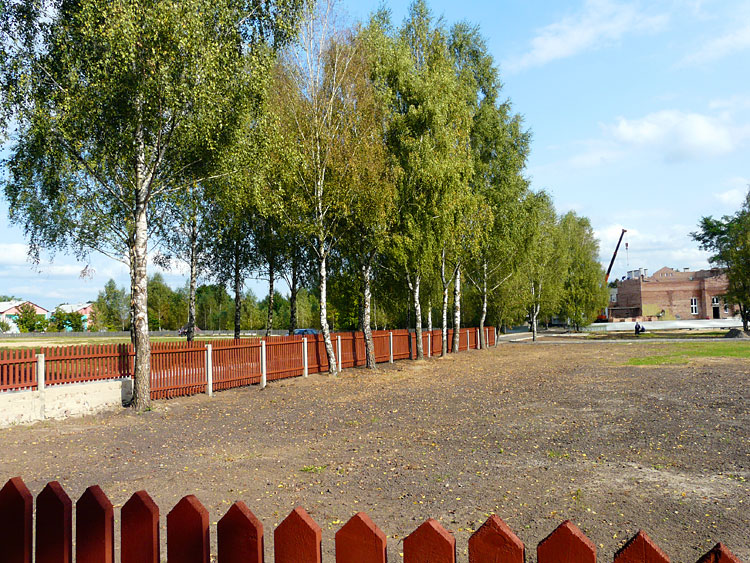
Black earth was delivered for grading to the site where acacias previously had been cut down.
 |
 |
 |
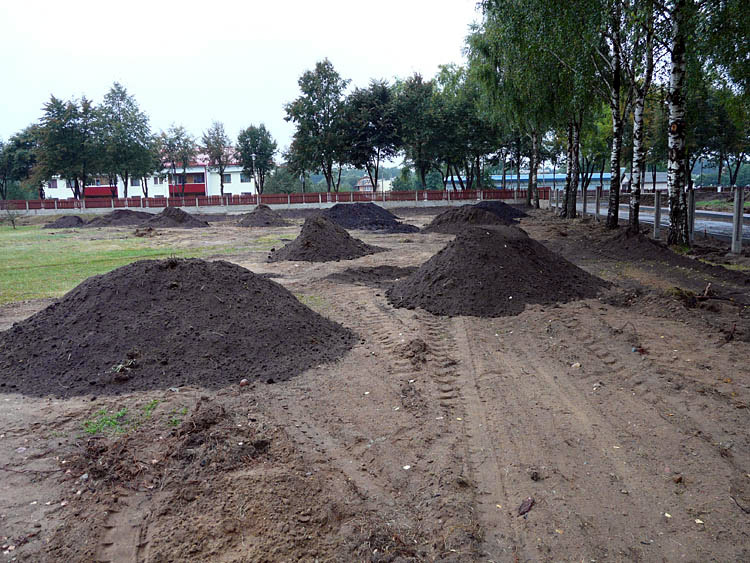 |
| (The new black earth in place of the cut-down acacias, September 4, 2009) | |||
 |
 |
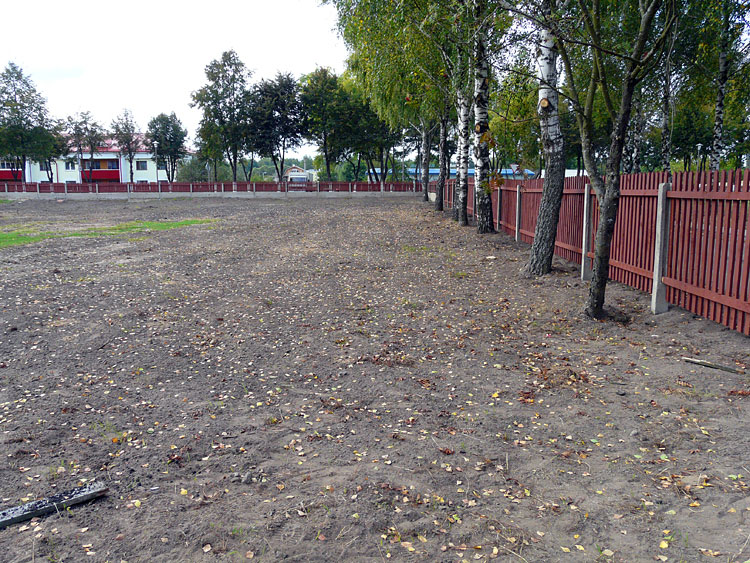 |
| (The graded area in place of the cut-down acacias, September 14, 2009) | ||
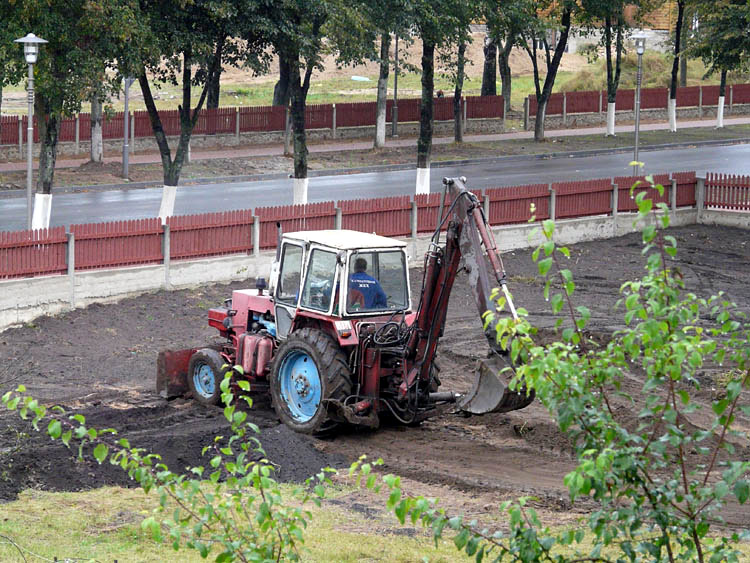
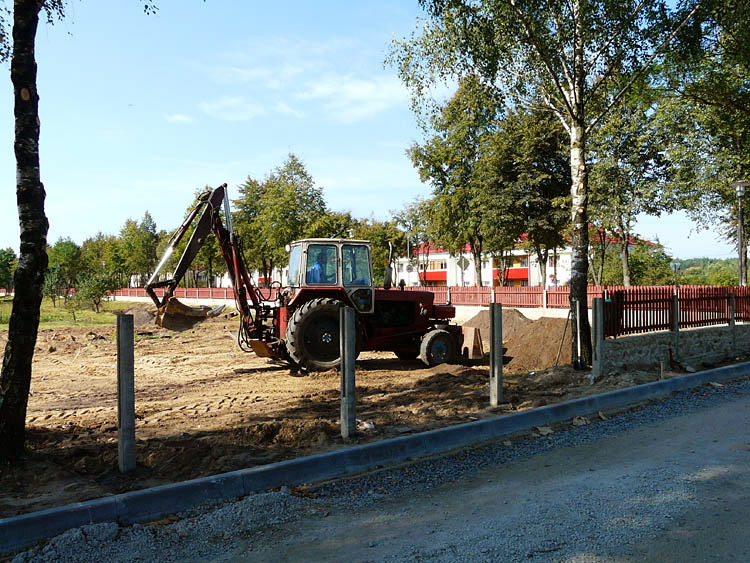
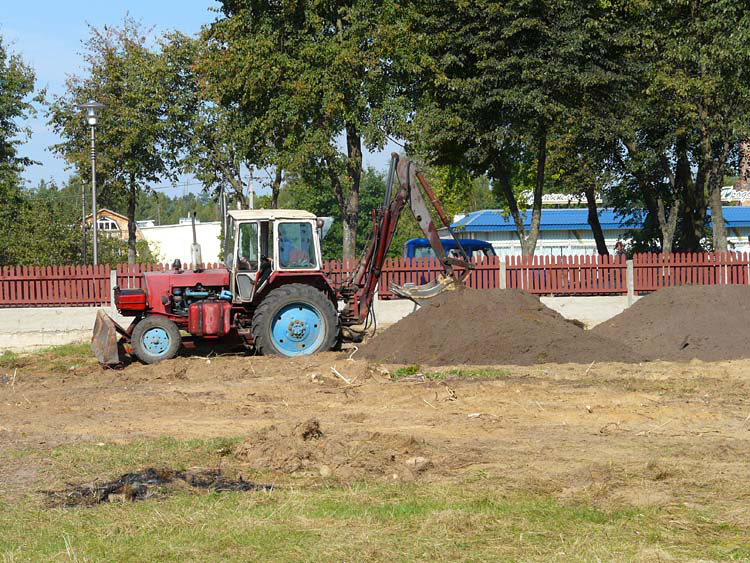
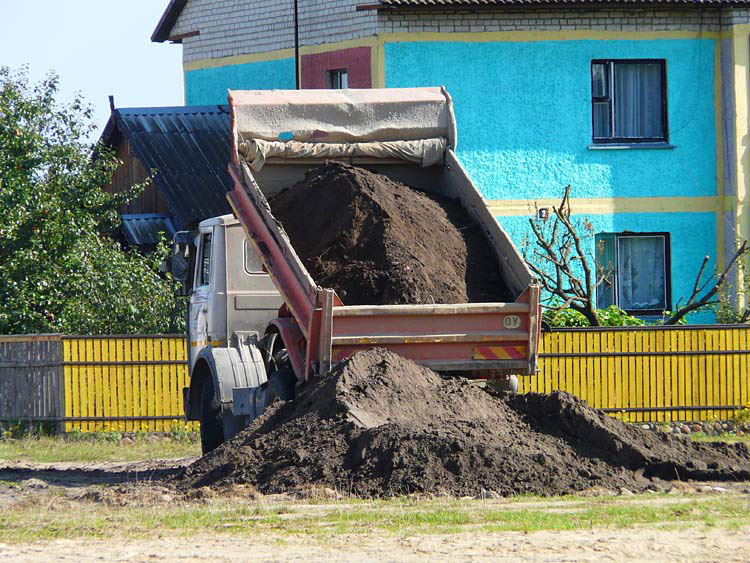
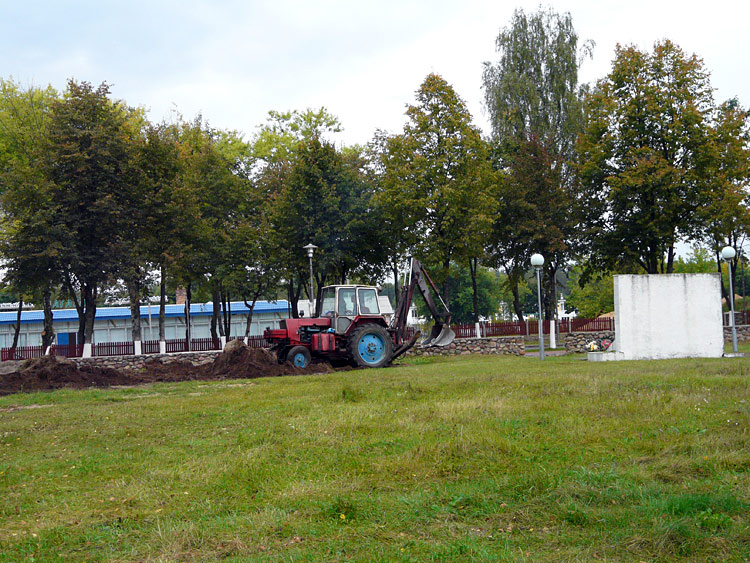
More earth was delivered to other sites and graded.
 |
 |
 |
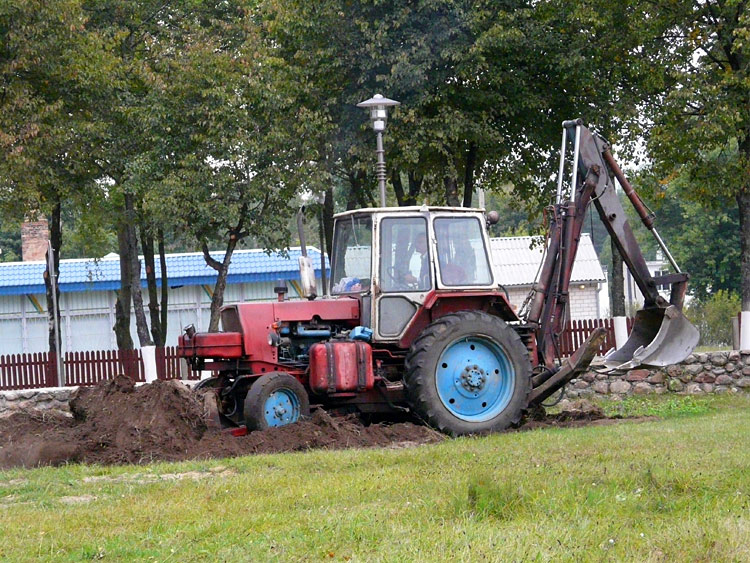 |
| (The grading of the area, September 14, 2009) | |||
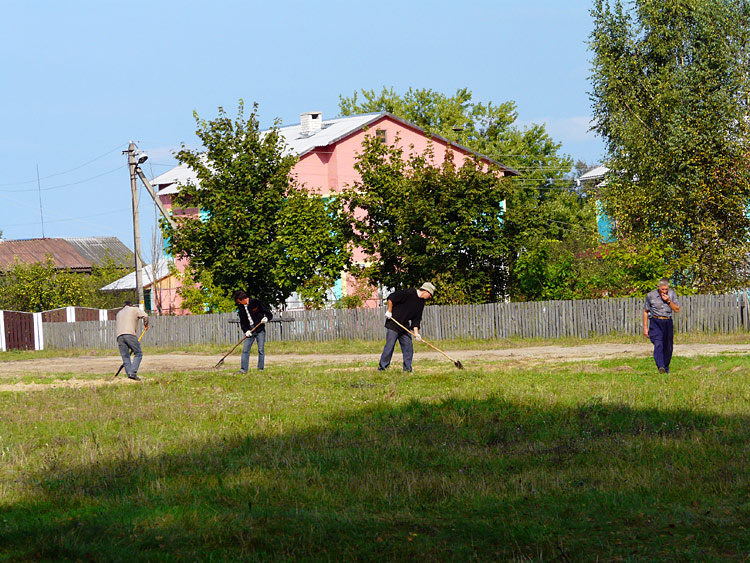
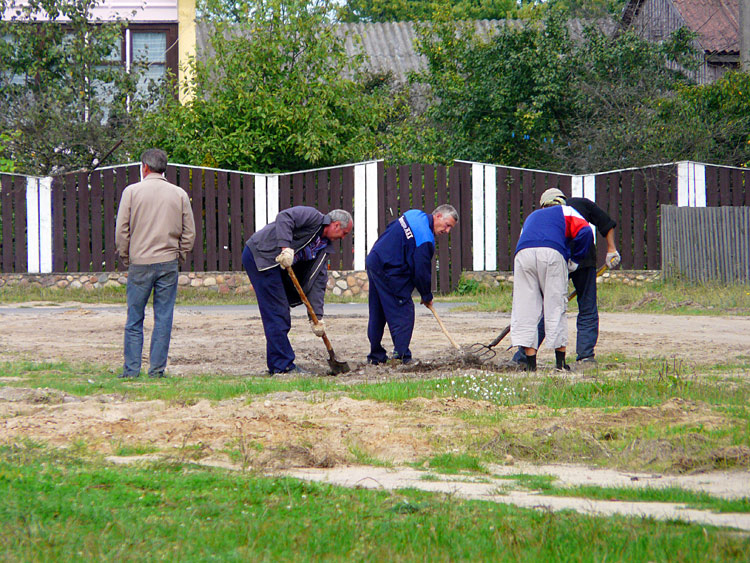
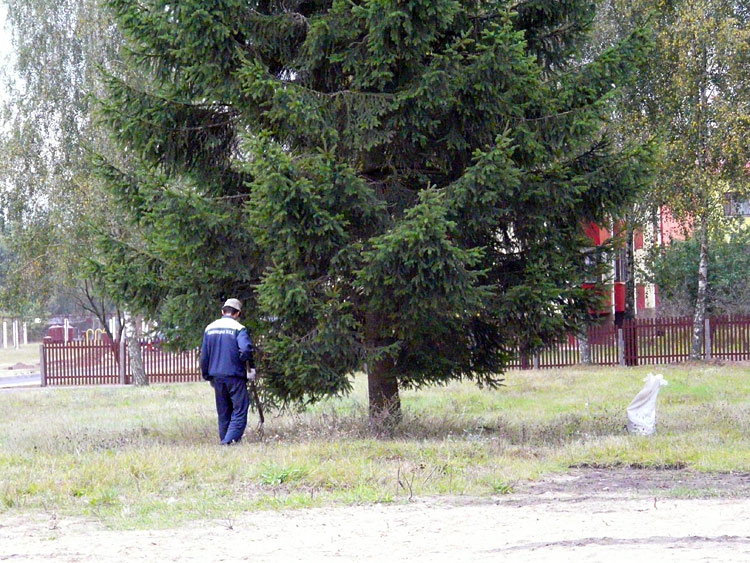
The area was cleaned up.
 |
 |
 |
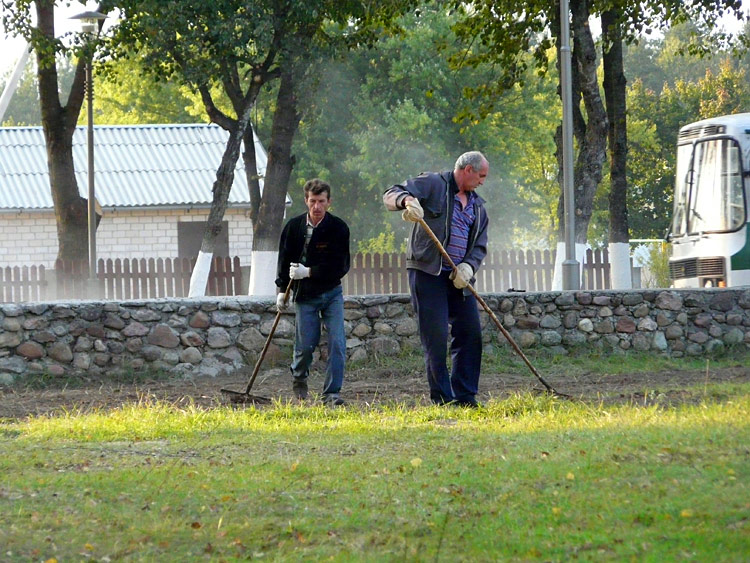 |
| (The clean-up, September 14, 2009) | |||
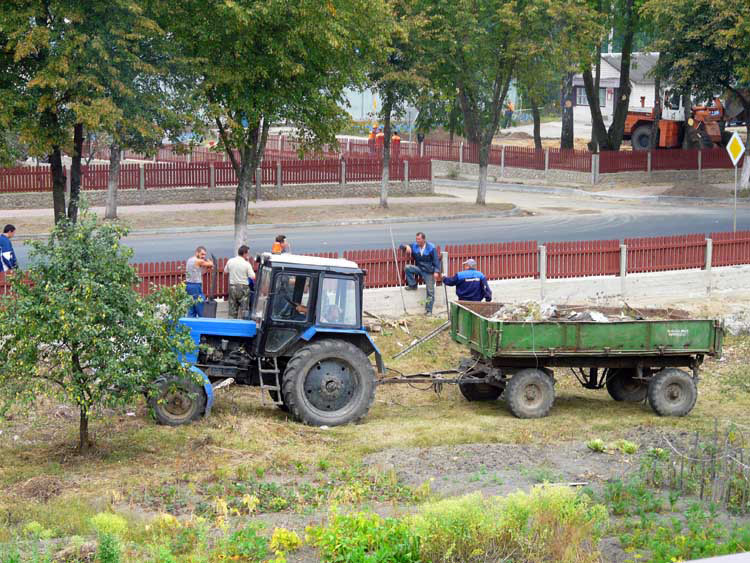
And the waste was removed.
 |
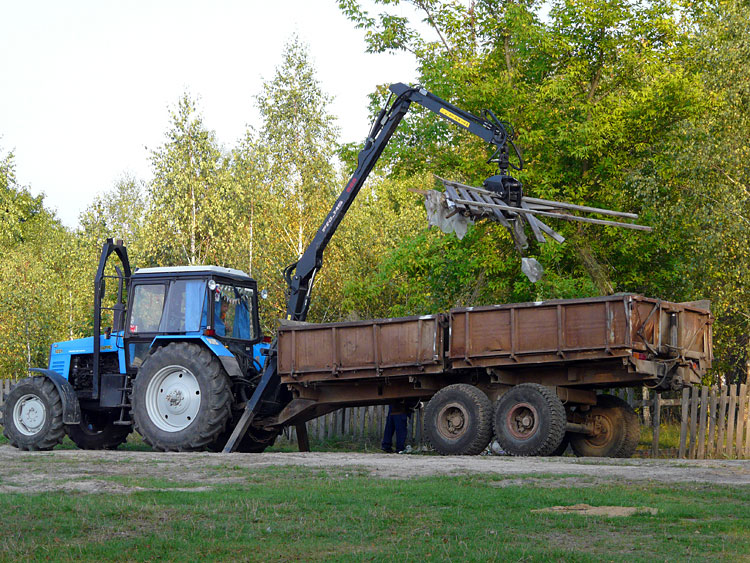 |
| (The removal of the waste, September 14, 2009) | |
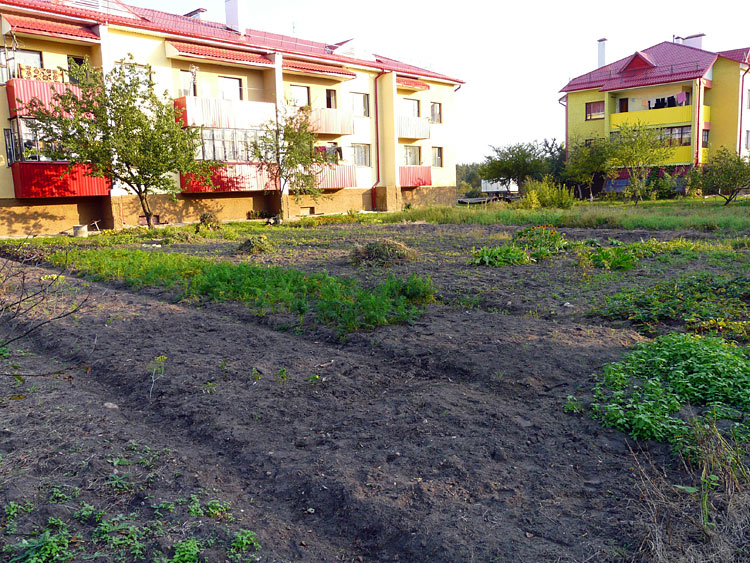
Unexpectedly, house owners who had their vegetable patches close to the main street were told to collect any remaining produce as their patches were to be replowed for the sake of an attractive appearance. The decision was repealed after talks with the local council. The owners tidied up their vegetable patches, and the unused areas were mowed with a grass-cutter.
 |
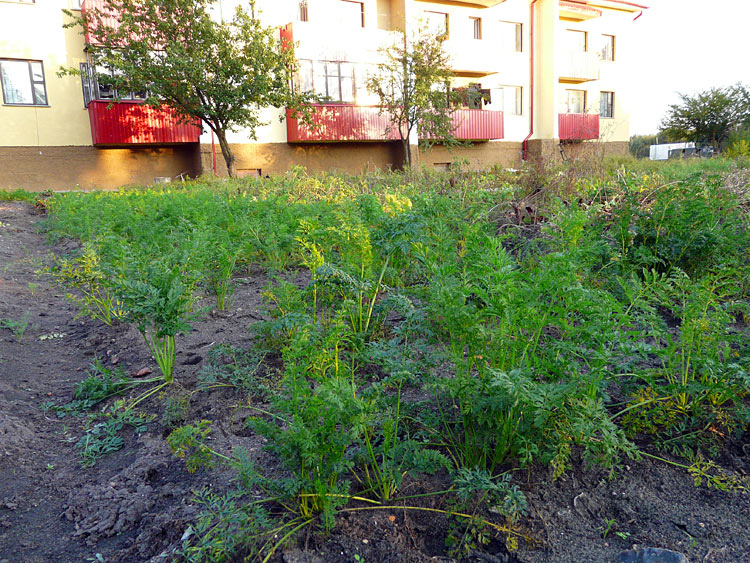 |
| (The vegetable patches next to the houses, September 13, 2009) | |
Previously, little attention had been paid to the cutting of the grass on wasteland and in areas adjacent to private lots. Grass mowing mostly had been limited to the lawns along the main street and around the local school, hospital, etc. The ground around private houses was for the owners to keep clean and nice.
Thus, the wasteland and many areas around the houses were overgrown with wild herbs and flowers that blossomed all year round. These were home to many species of butterflies, flies, bugs, wild bees and other insects that fed on the nectar and pollen. Carnivorous beetles, spiders and other invertebrates found shelter and food in the overgrowth, diggers and bees built nests, and lizards made their hiding places inside. In short, this state of things helped preserve and sustain the life of a sufficiently diverse animal community, or in other words, encouraged preservation and growth of biodiversity in accordance with the laws of environmental science.
The photographs below show grass freshly scythed on a wasteland near the main street. The grass that grows near the shrub is preserved. The small areas of wildlife were situated right next to houses, gardens and roads.
1 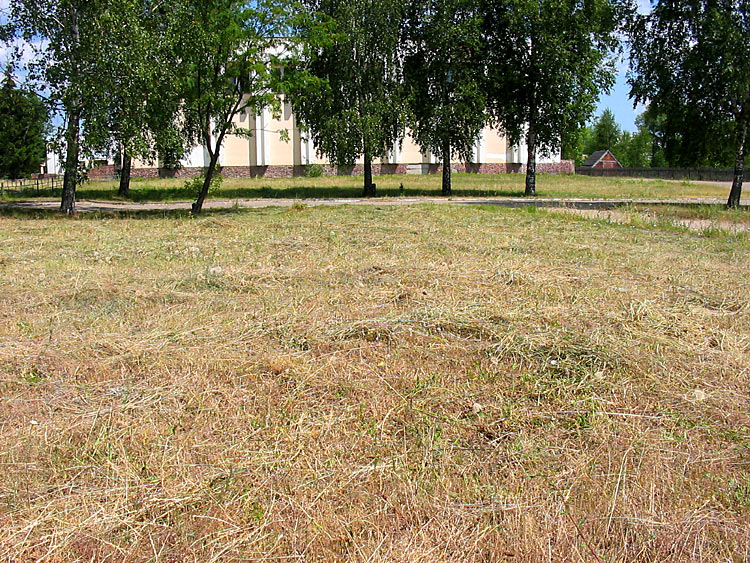 |
2 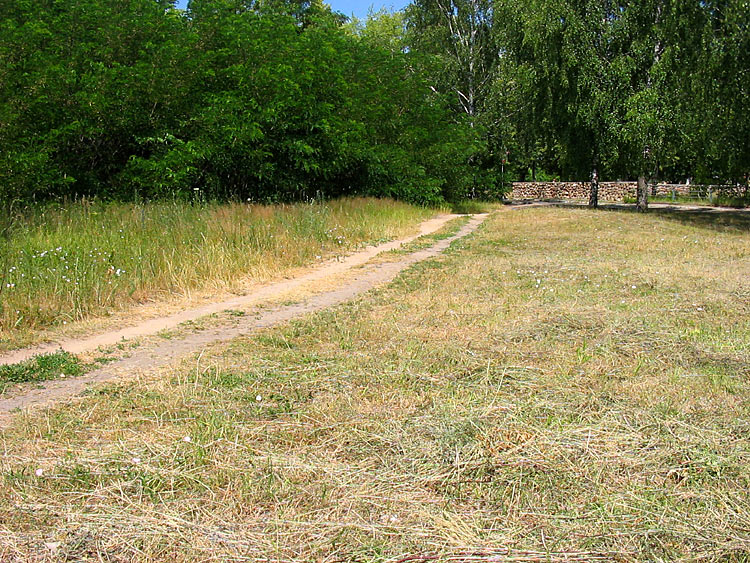 |
3 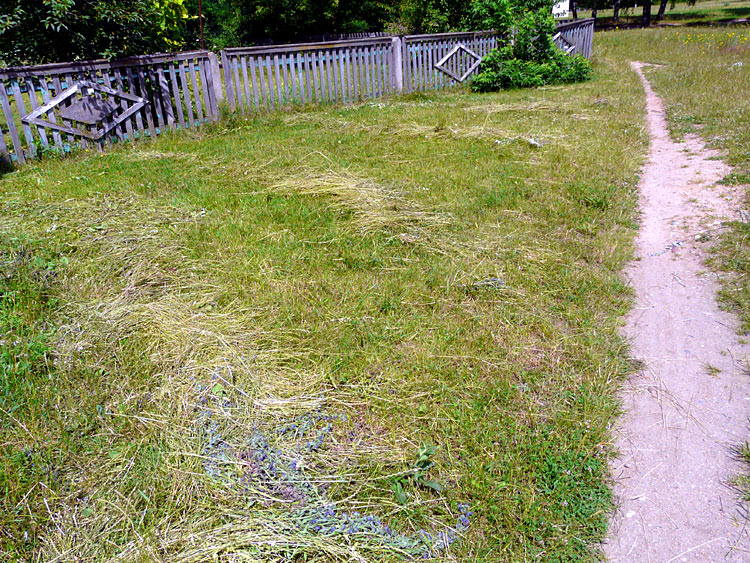 |
4 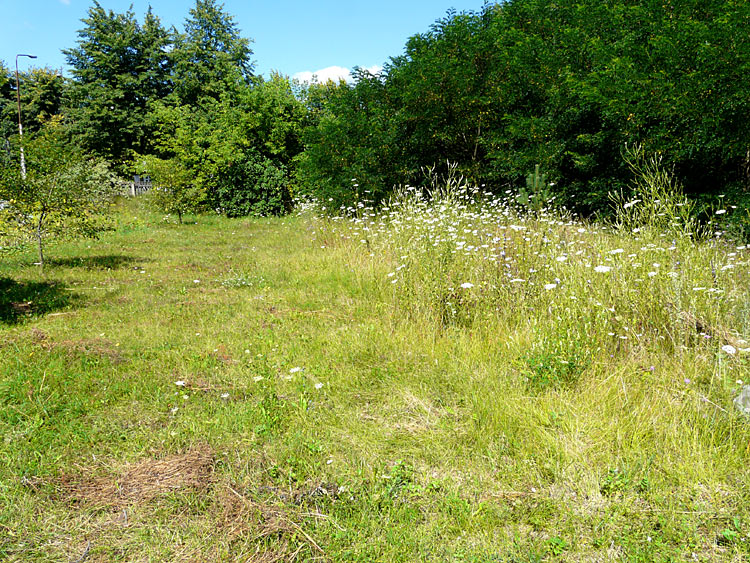 |
5 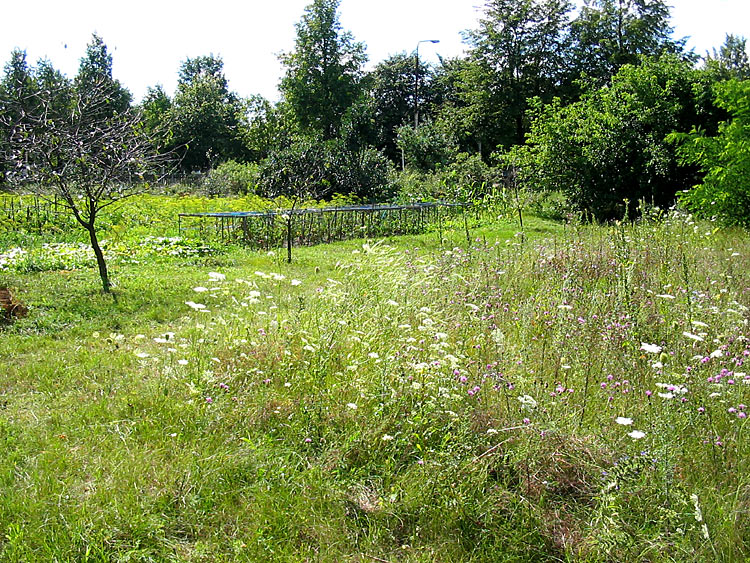 |
|||
| (The cut grass next to an tiny area of wildlife, 1 and 2: July 4, 2006; 3 and 4: July 17, 2008; 5: July 25, 2007) | |||
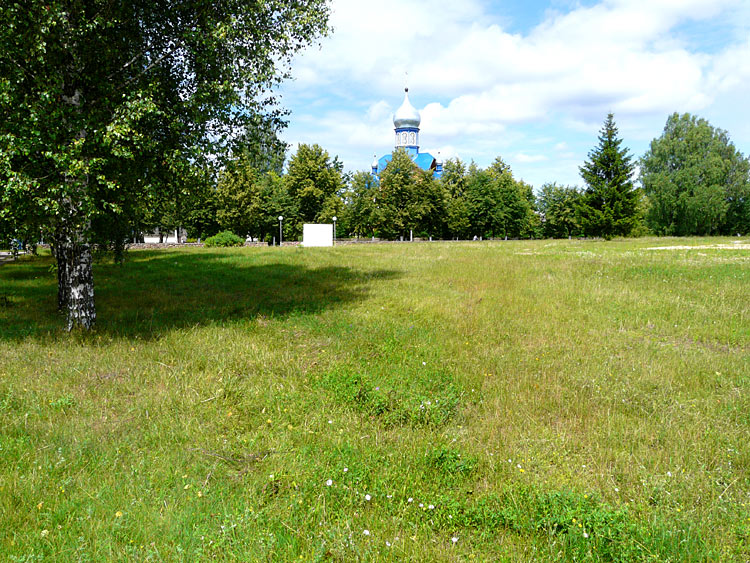
The grass that grew on the large empty lots adjacent to the main street was cut more thoroughly.
 |
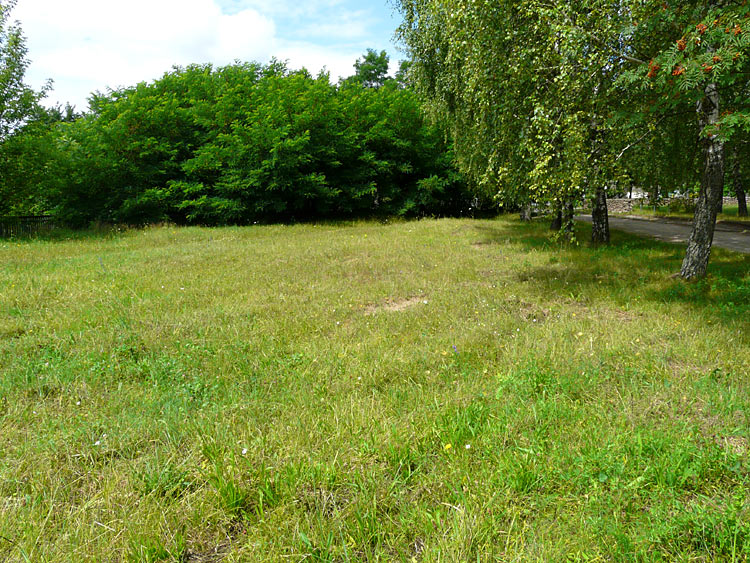 |
| (Cut grass, July 17, 2008) | |
The shots below show areas empty plots and areas around houses where the various colorful wild herbs were preserved.
1 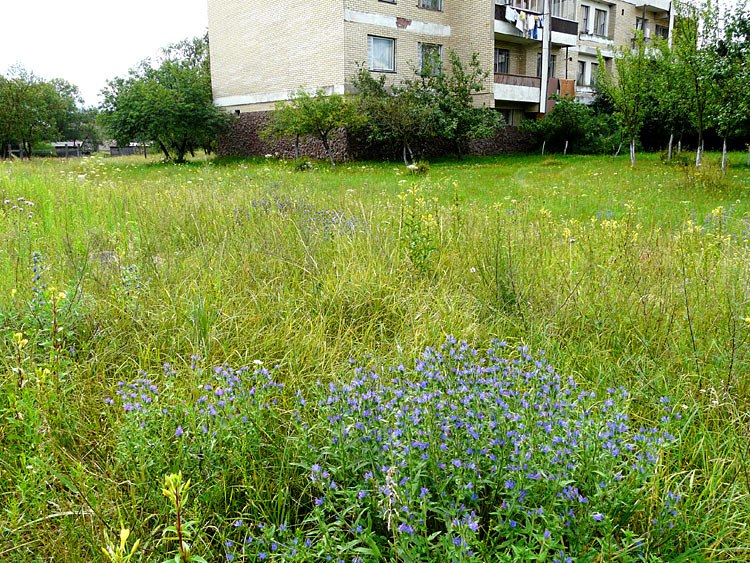 |
2 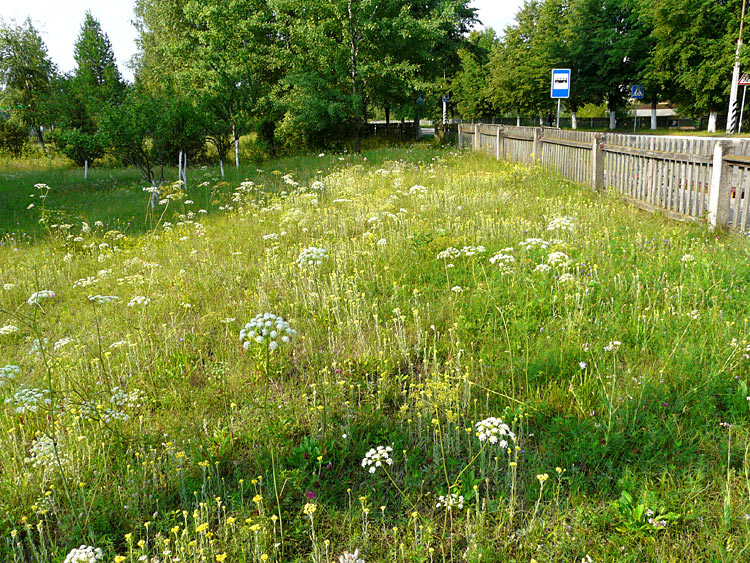 |
3 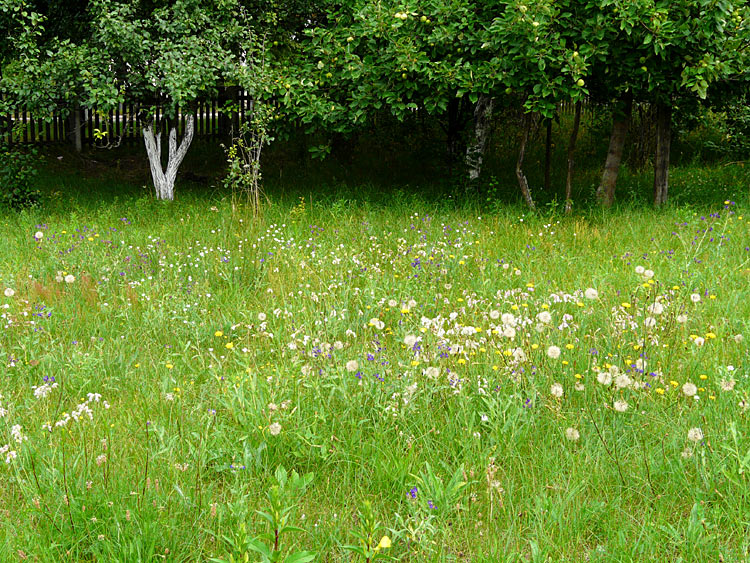 |
4 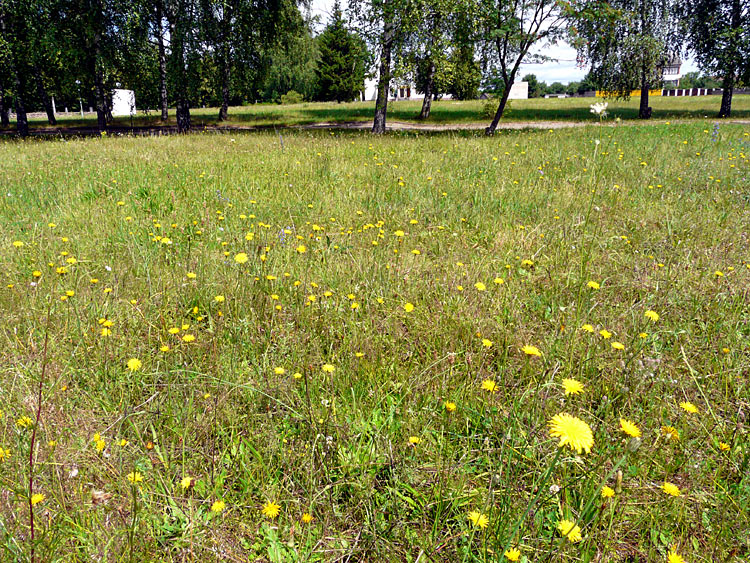 |
5 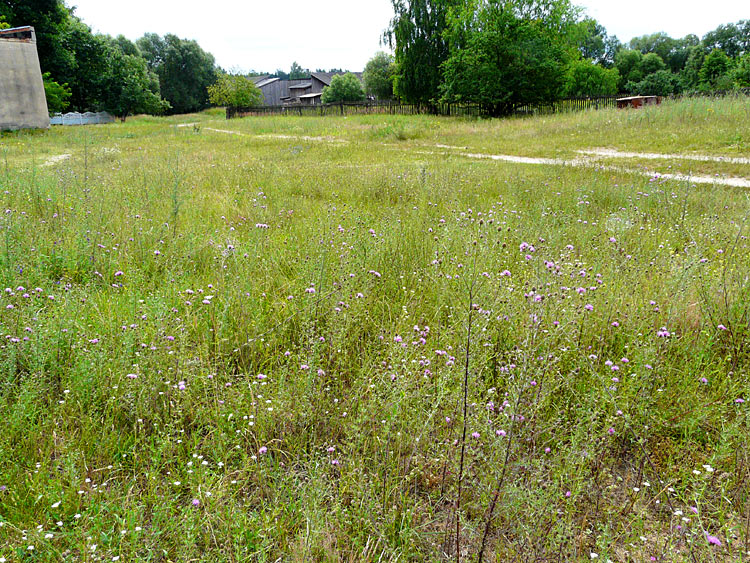 |
6 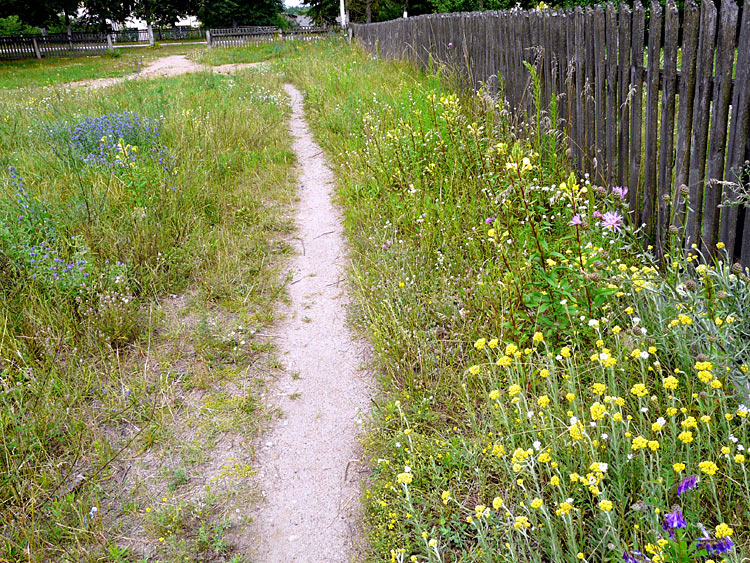 |
7 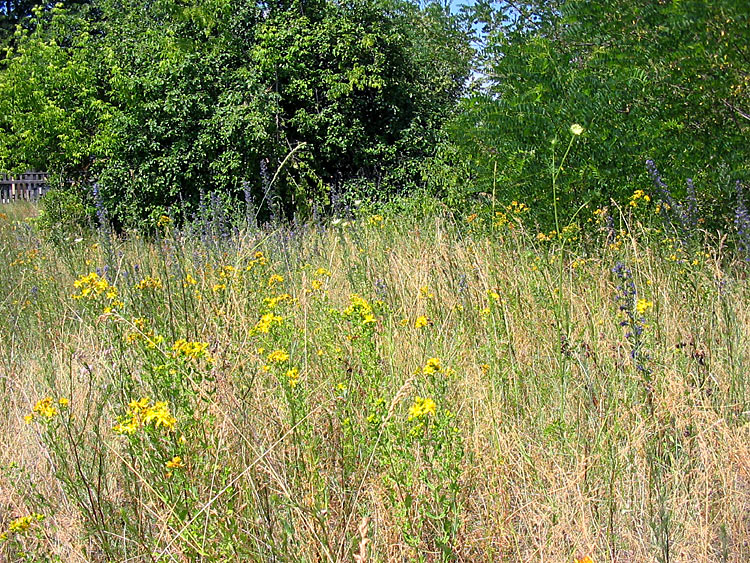 |
8 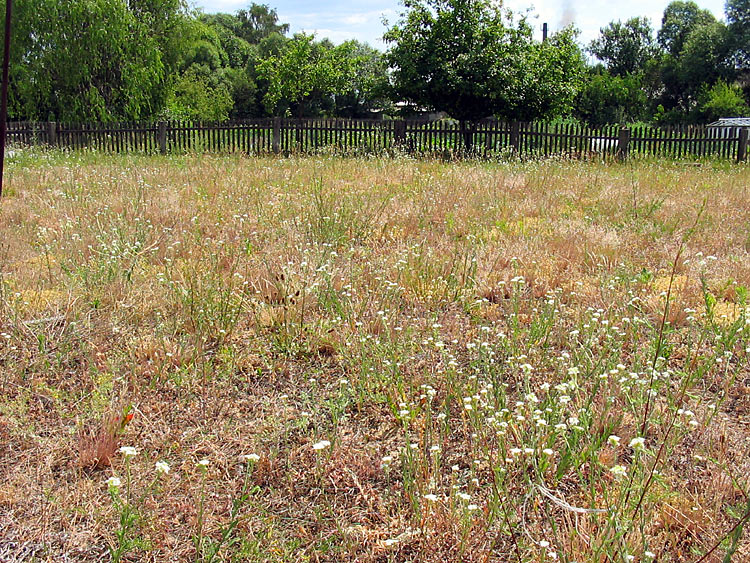 |
9 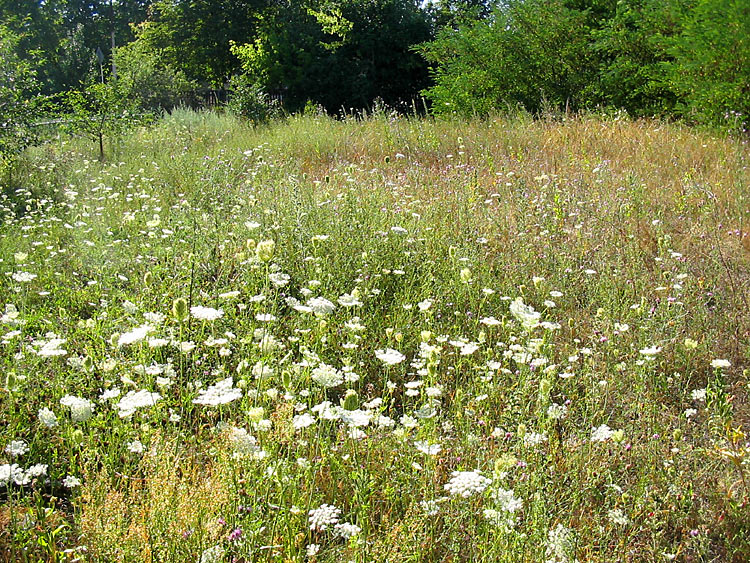 |
10 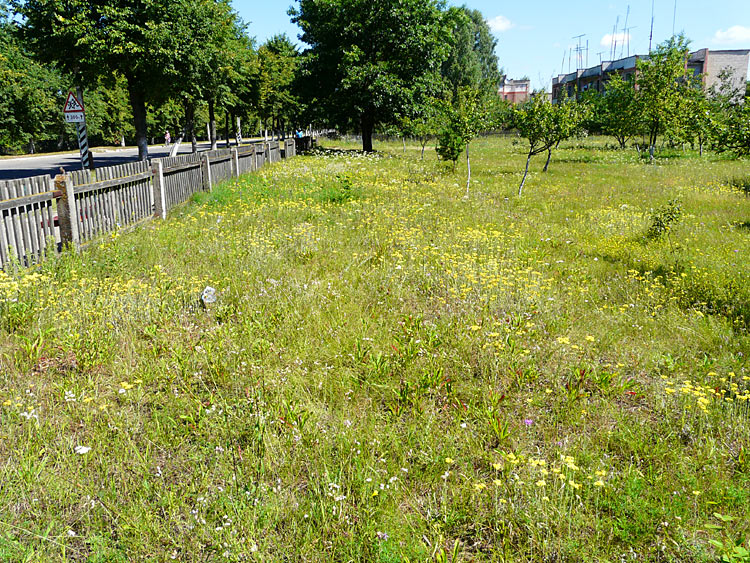 |
11 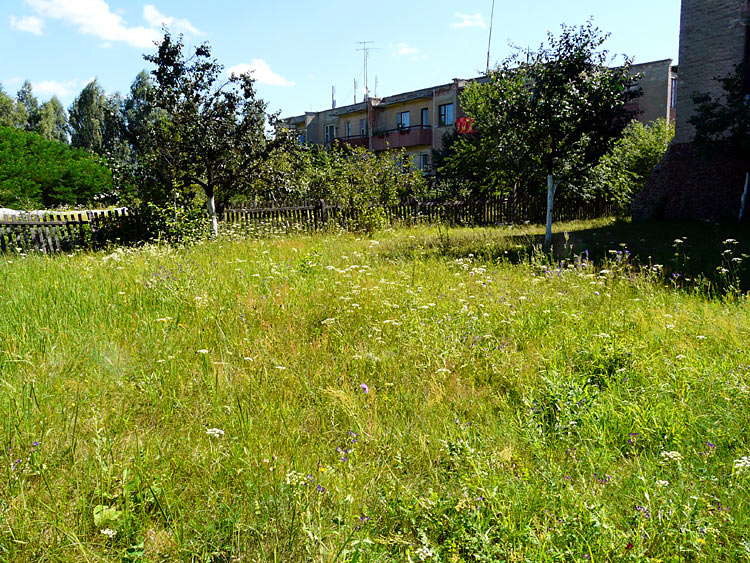 |
12 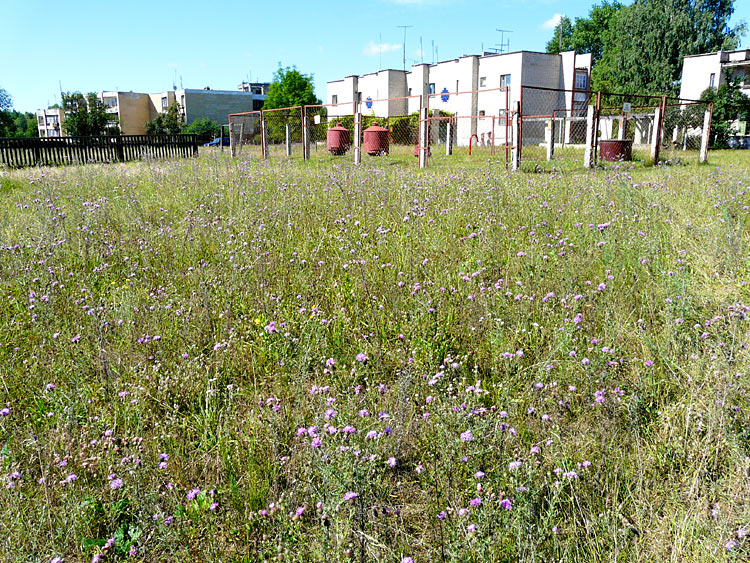 |
| (The motley herbs in blossom, 1-6: July 16, 2008; 7 and 8: July 4, 2006; 9: July 26, 2006; 10-12: July 28, 2008) | |||
Below are shots of butterflies and other insects made around the houses surrounded by wild herbs.
1 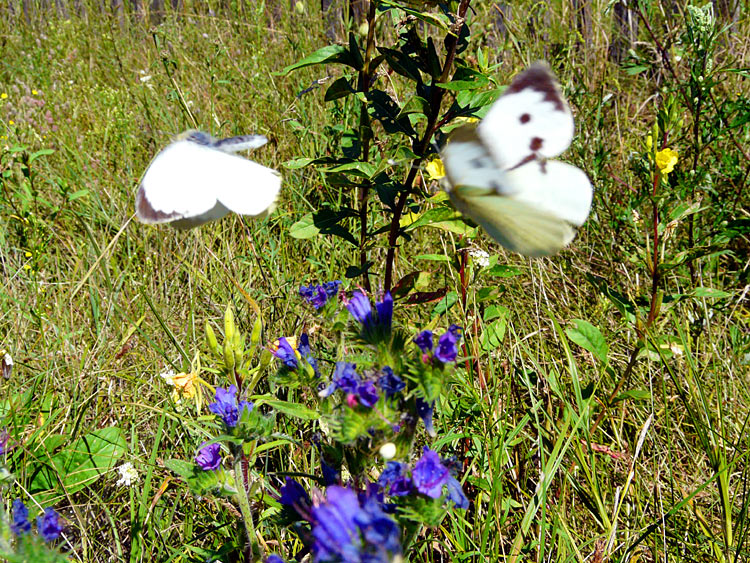 |
2 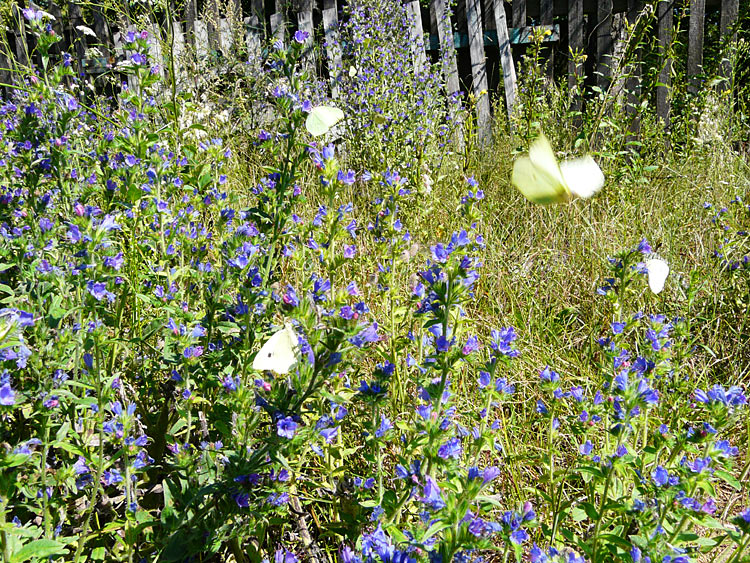 |
3 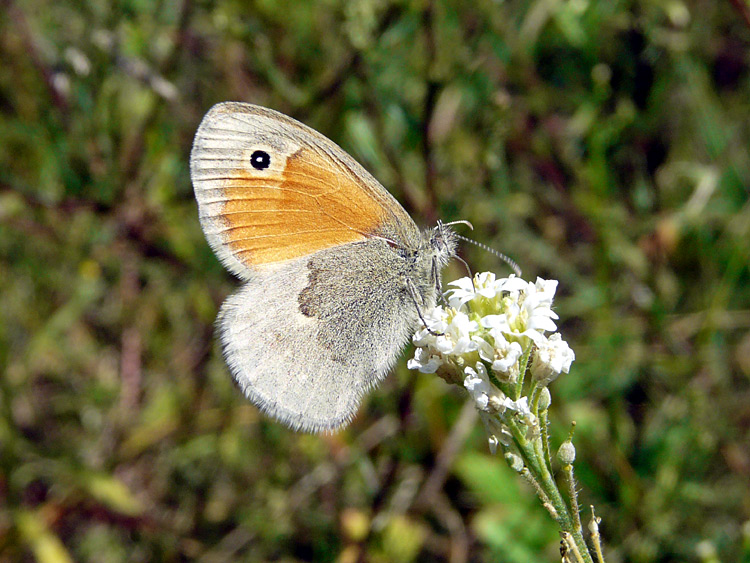 |
4 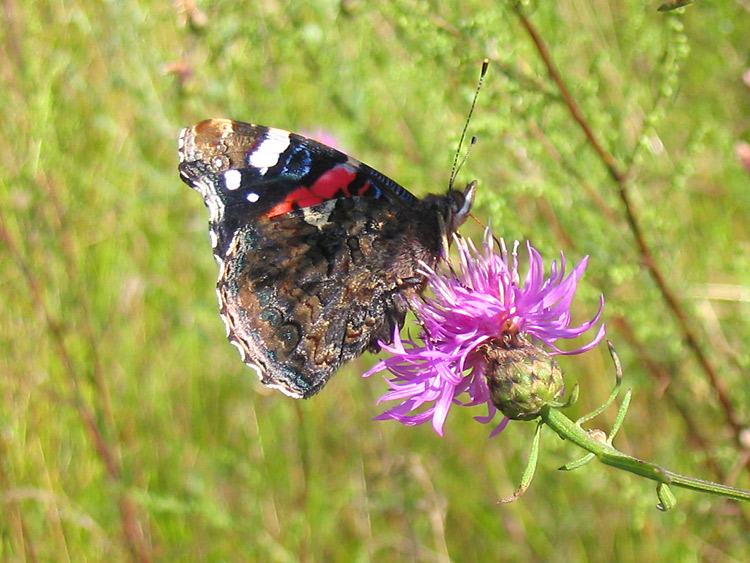 |
5 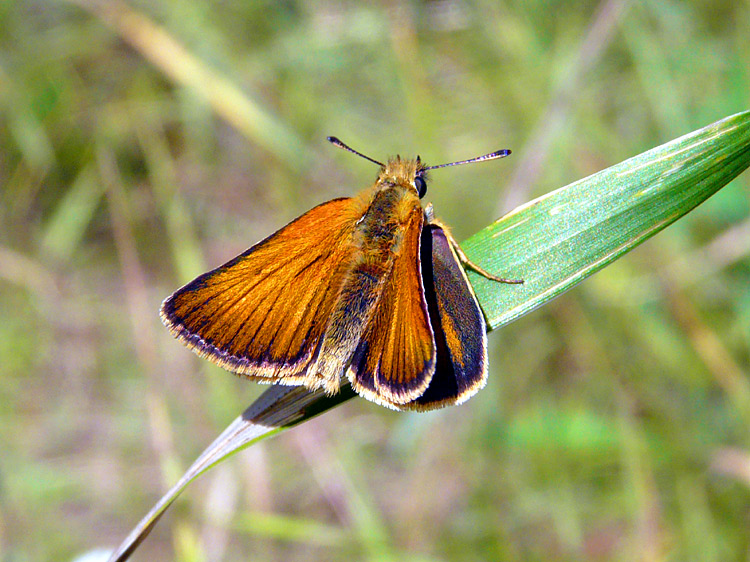 |
6 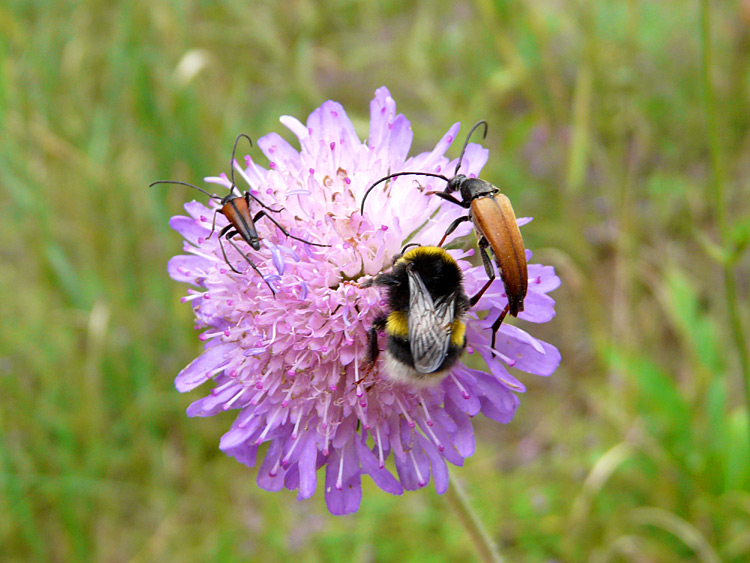 |
7 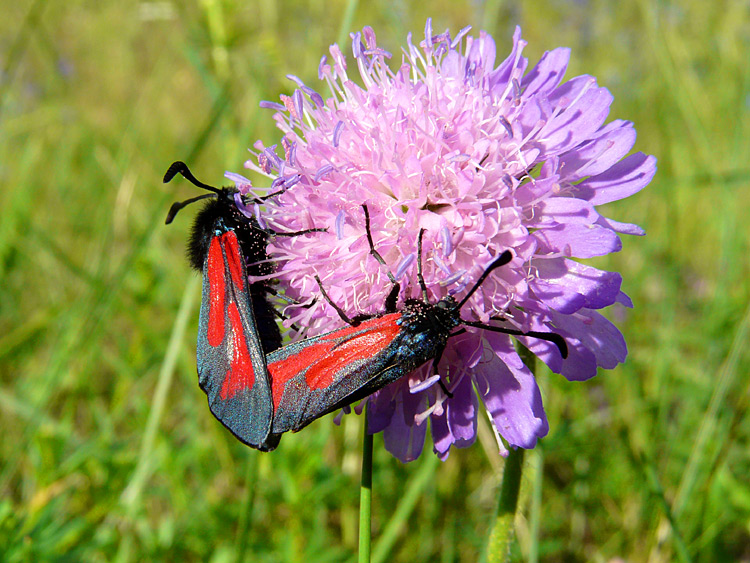 |
8 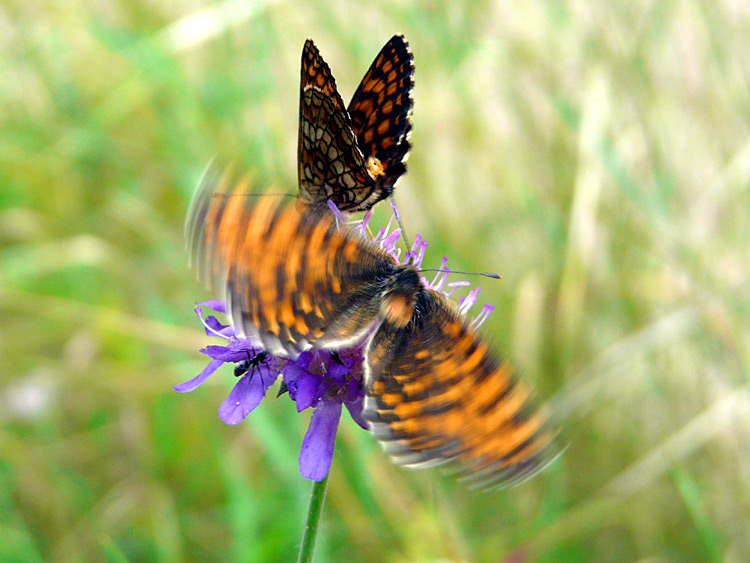 |
9 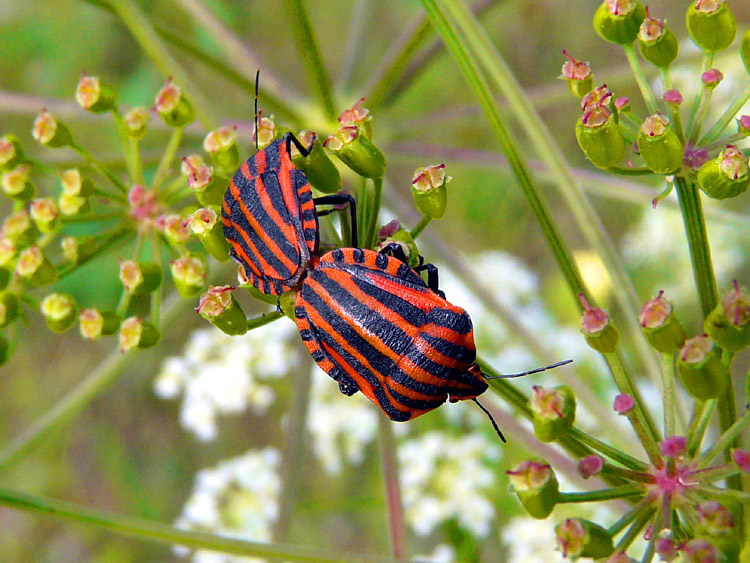 |
10 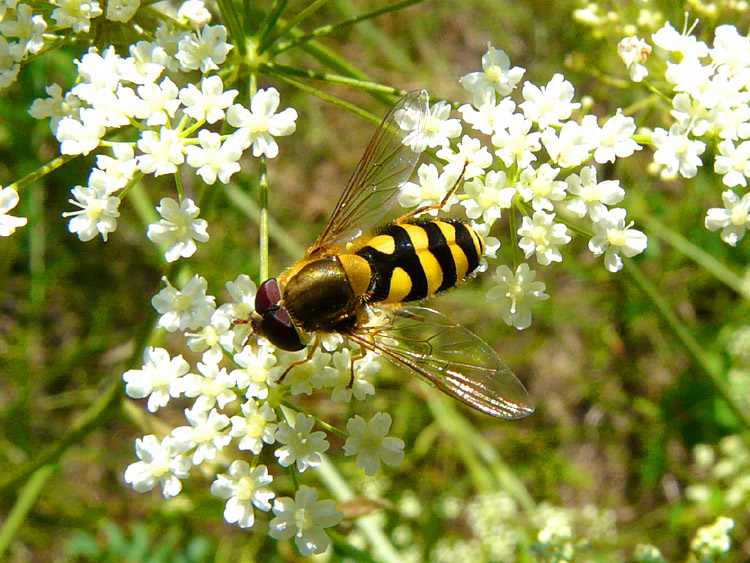 |
11 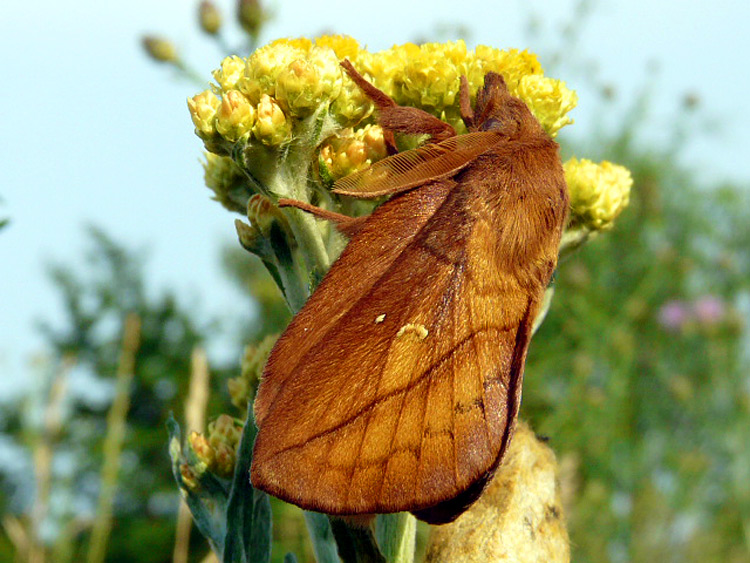 |
12 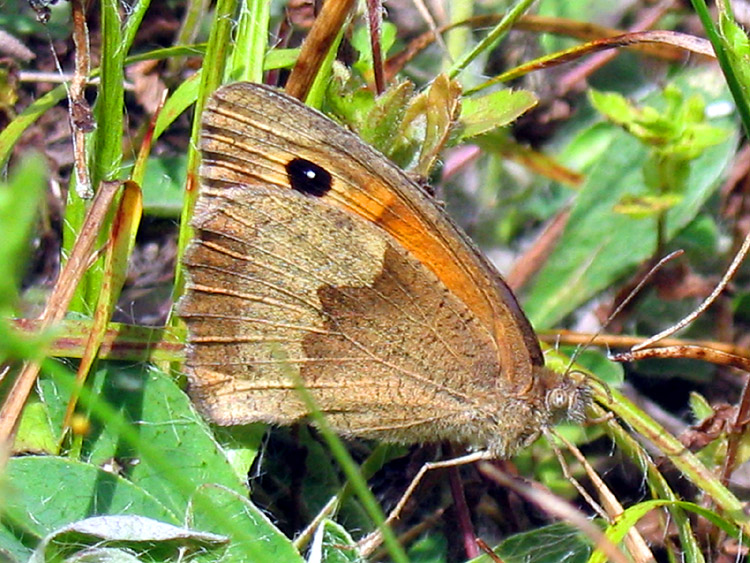 |
13 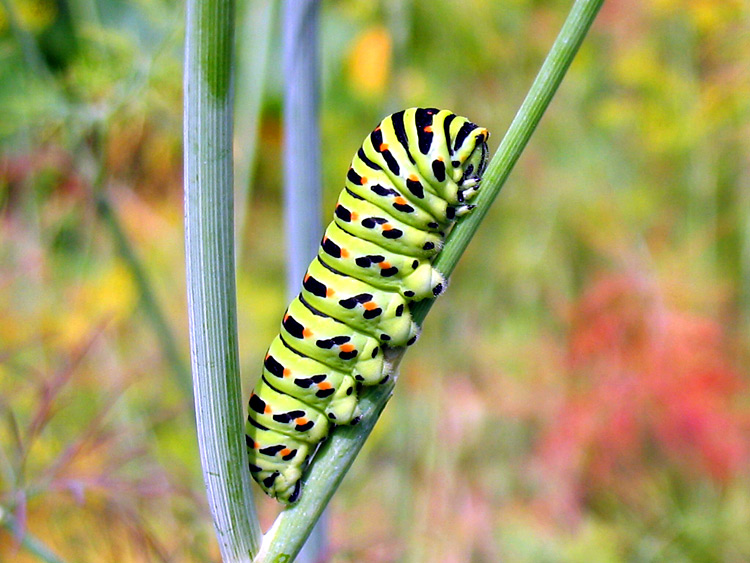 |
14 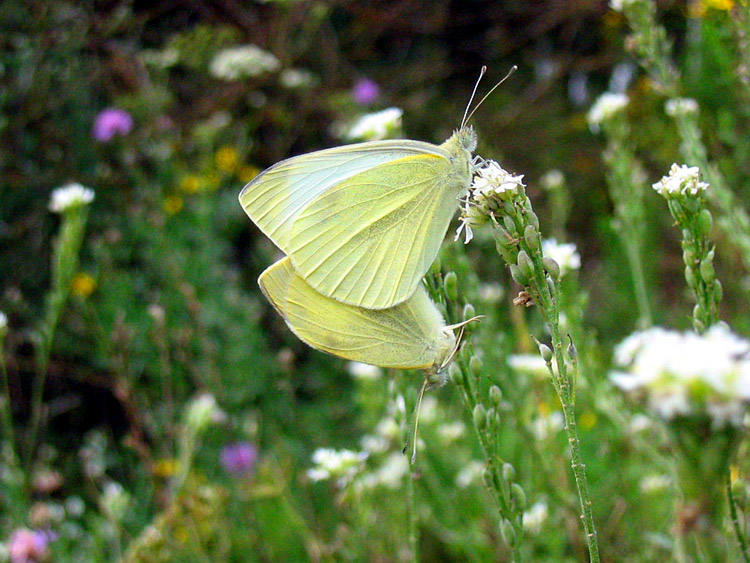 |
15 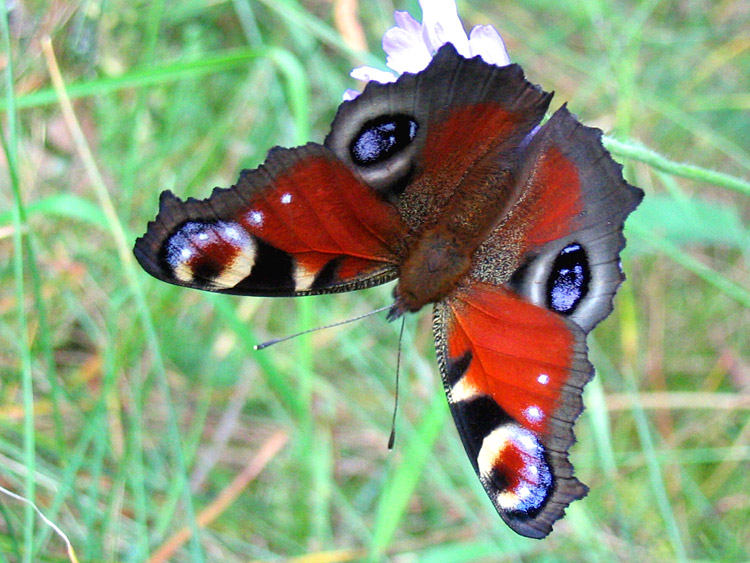 |
16 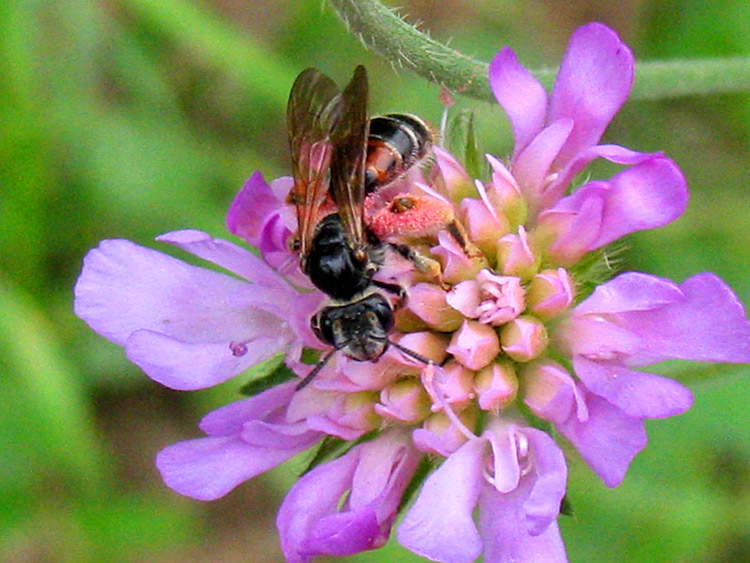 |
| (Butterflies and other insects, 1-4 and 10: July 28, 2008; 5-8: July 19, 2008; 9: July 16, 2008; 11: July 13, 2009; 12: July 24, 2005; 13: July 31, 2004; 14: August 23, 2004; 15 and 16: July 24, 2004) | |||
Grass cutting, especially when repeated and through, can lead to destruction of diverse biological communities and displacement of these with monotonous, and even primitive, ones – especially when wild herbs are replaced with lawn grass.
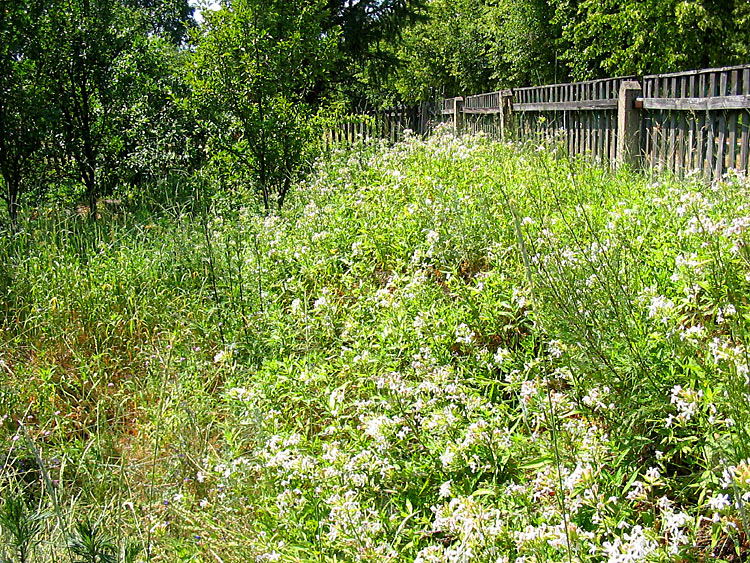
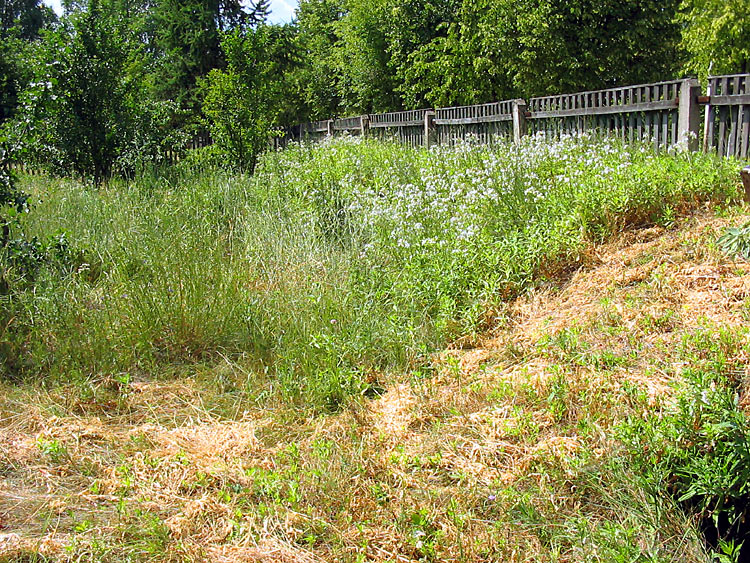
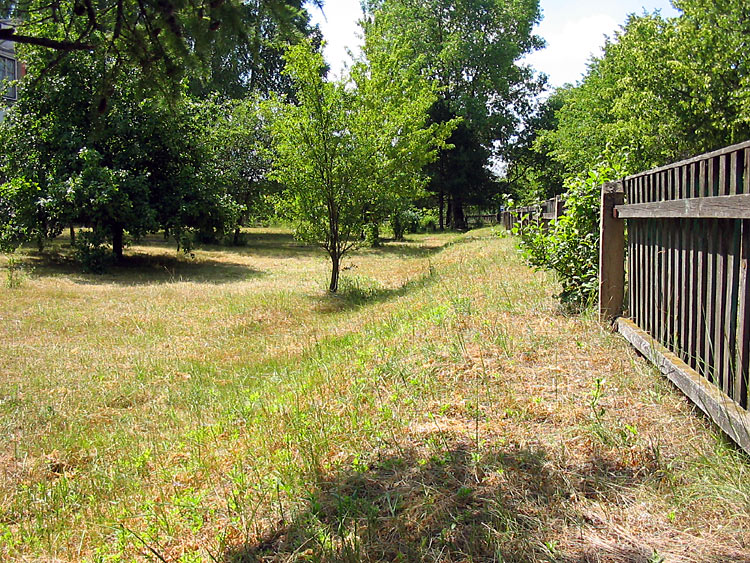
Look at the shots below. Which is nicer and which is right? The answer to this question depends on the observer’s level of environmental education, humanism, understanding of environmental esthetics and prejudice.
 |
 |
 |
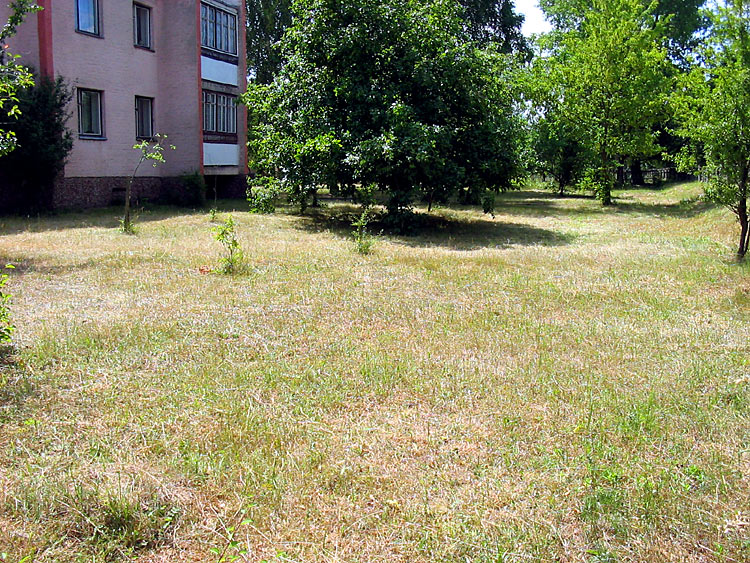 |
| (A surviving herbal community next to a dead one, July 4, 2008) | |||
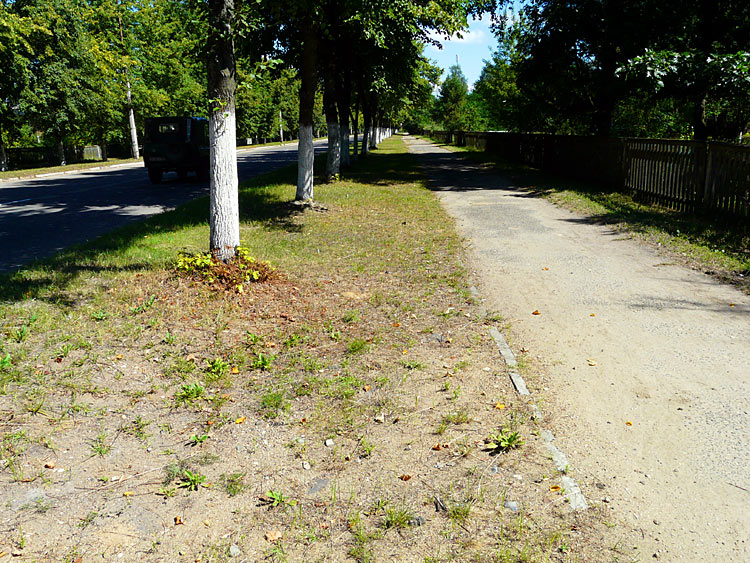
The shots below show lawns that are left "dead" due to constant cutting, trampling and lack of fertilizing.
 |
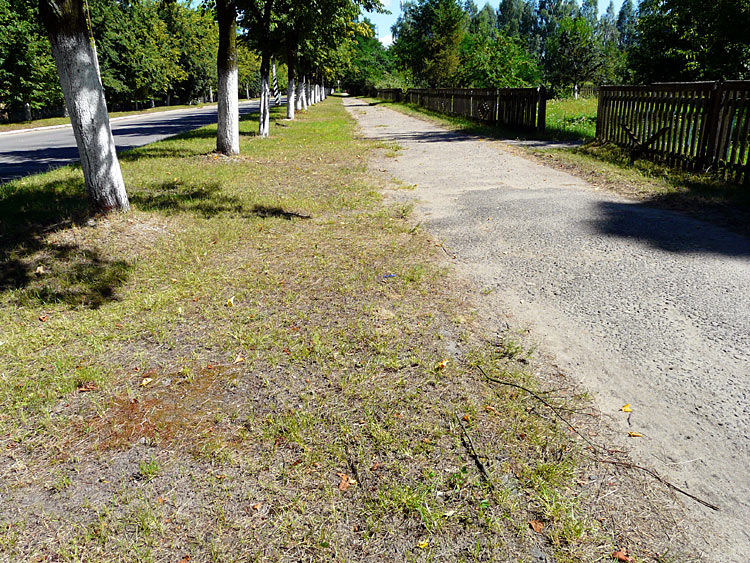 |
| (The "dead" lawns, July 28, 2008) | |
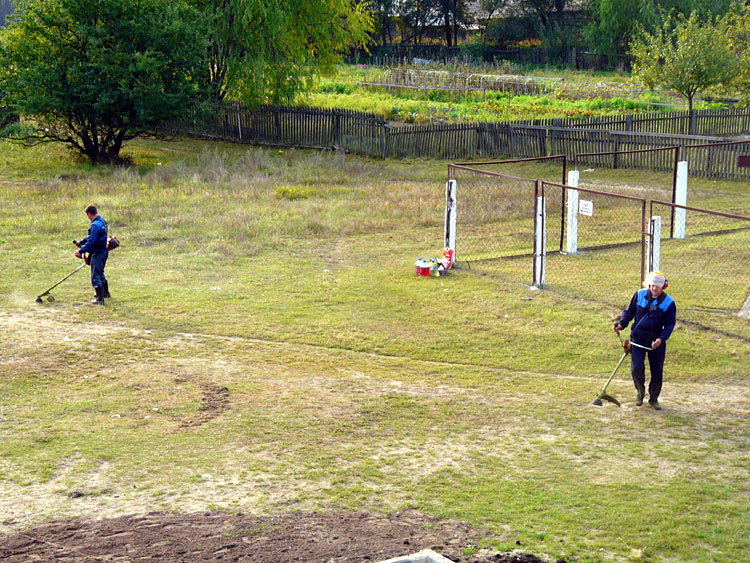
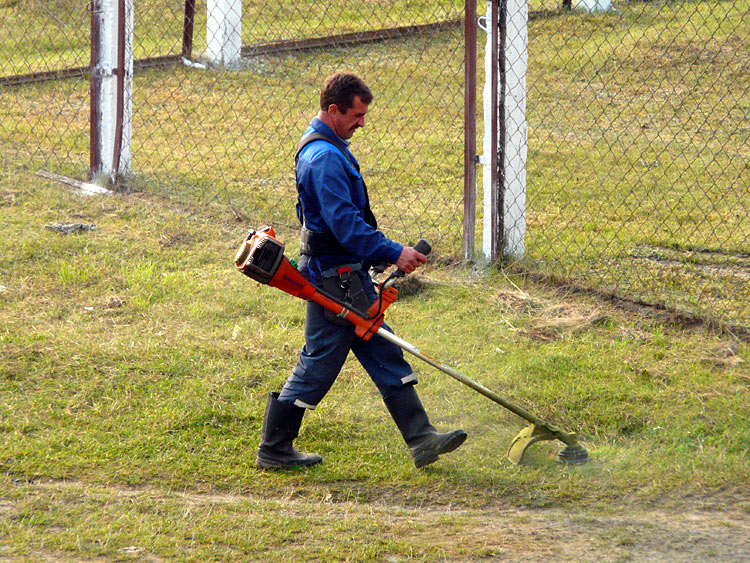
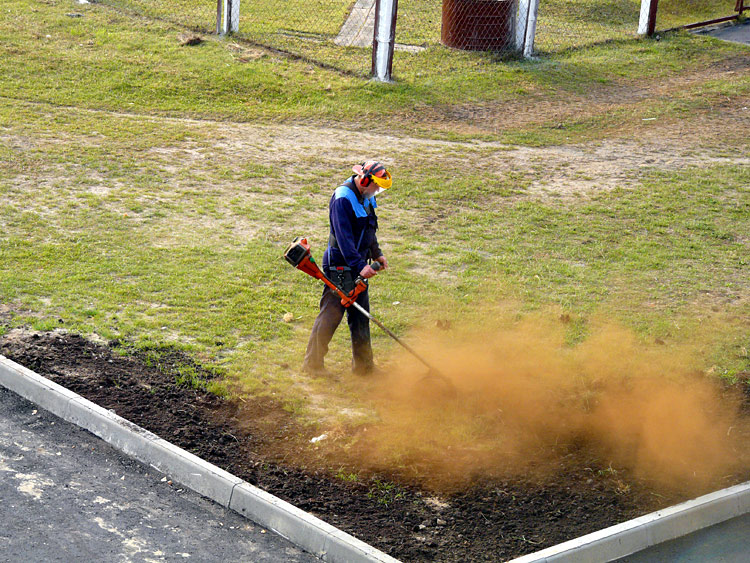
Starting in the mid-summer of 2009, lawnmowers started working all along the main street, and later in the backyards and around the houses, destroying the biodiversity and creating another environmental wasteland commonly described as "good-looking" by the Everyman …
1 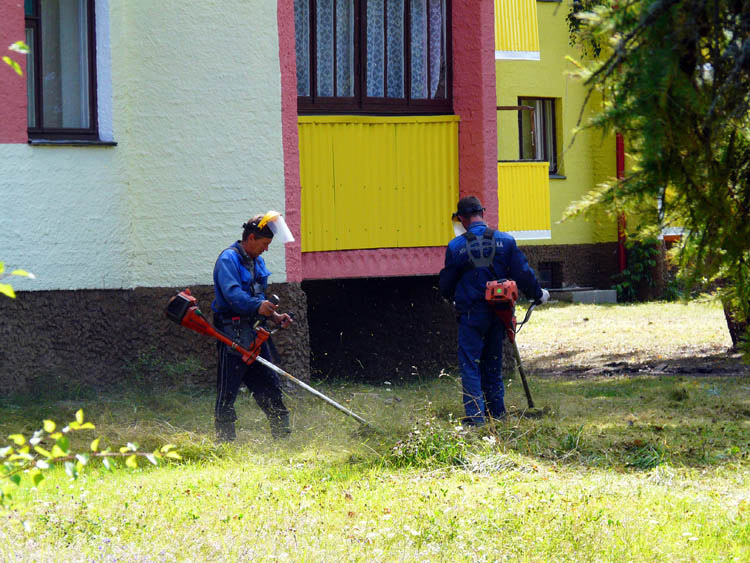 |
2 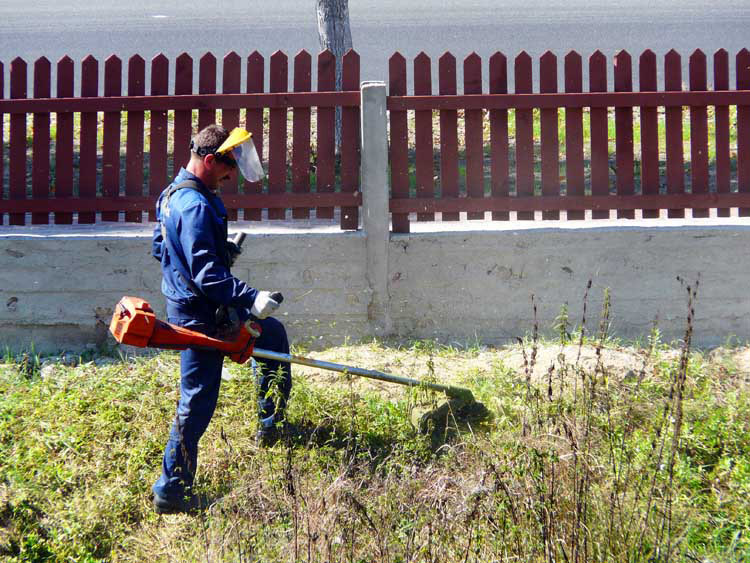 |
3 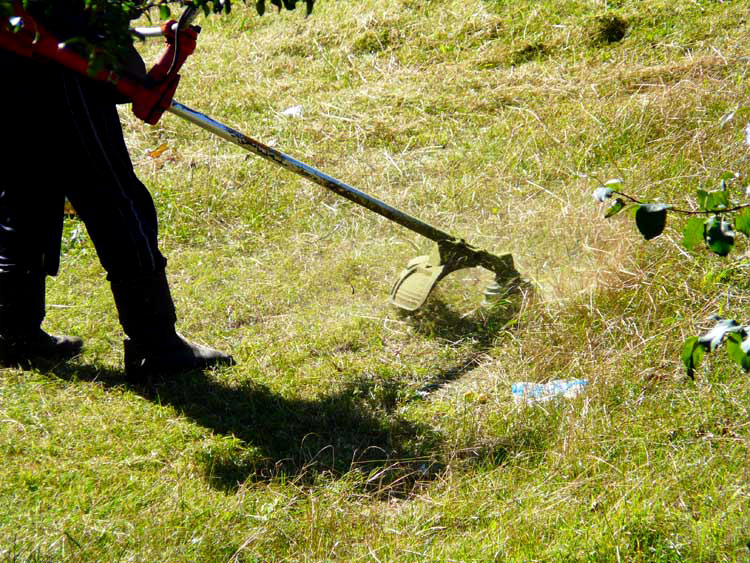 |
4 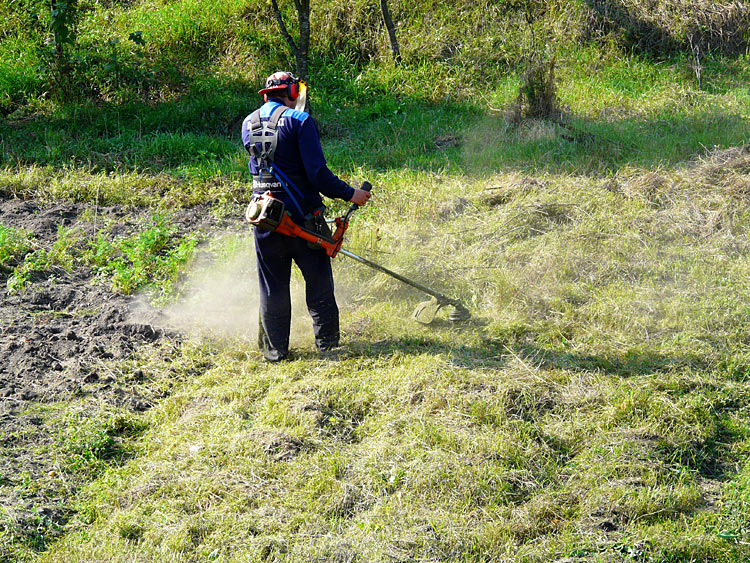 |
| (The lawnmowers at work, 1, 2 and 3: August 24, 2009; 4: September 15, 2009) | |||
 |
 |
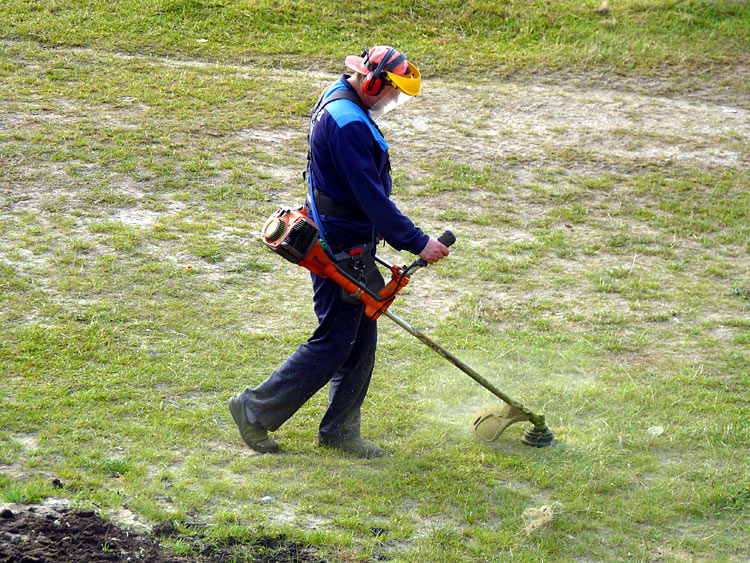 |
| (The lawnmowers at work, August 24, 2009) | ||
 |
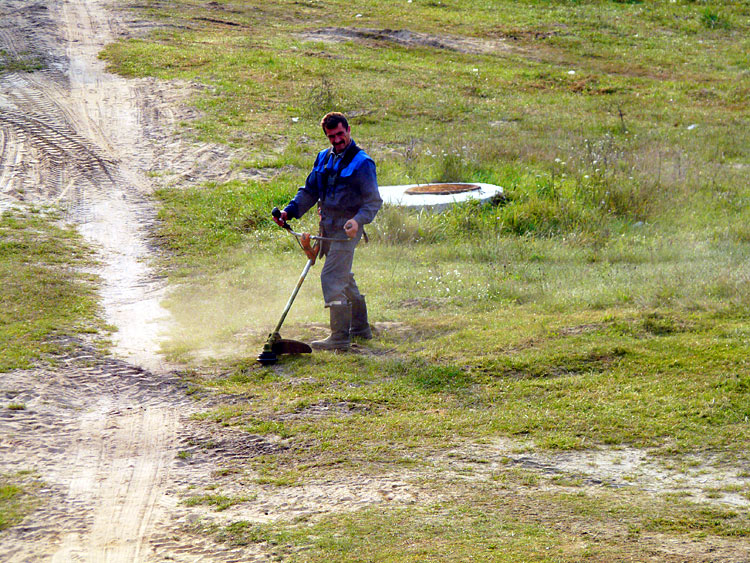 |
| (The lawnmowers at work, September 15, 2009) | |